On Dec. 2, the 13th China Sustainable Investment Forum (China SIF) Annual Conference was successfully held in Beijing, bringing together senior representatives from regulatory bodies, financial institutions, listed companies, academia, and international organisations. Hosted by
SynTao Green Finance and co-hosted by
UNEP FI and the
UN Sustainable Stock Exchanges Initiative (UN SSE), this year’s conference explored the theme “Navigating Opportunities in a Reshaping Landscape of Sustainable Finance”. More than 300 representatives from different organisations attended in person, while online viewership surpassed one million for the first time.
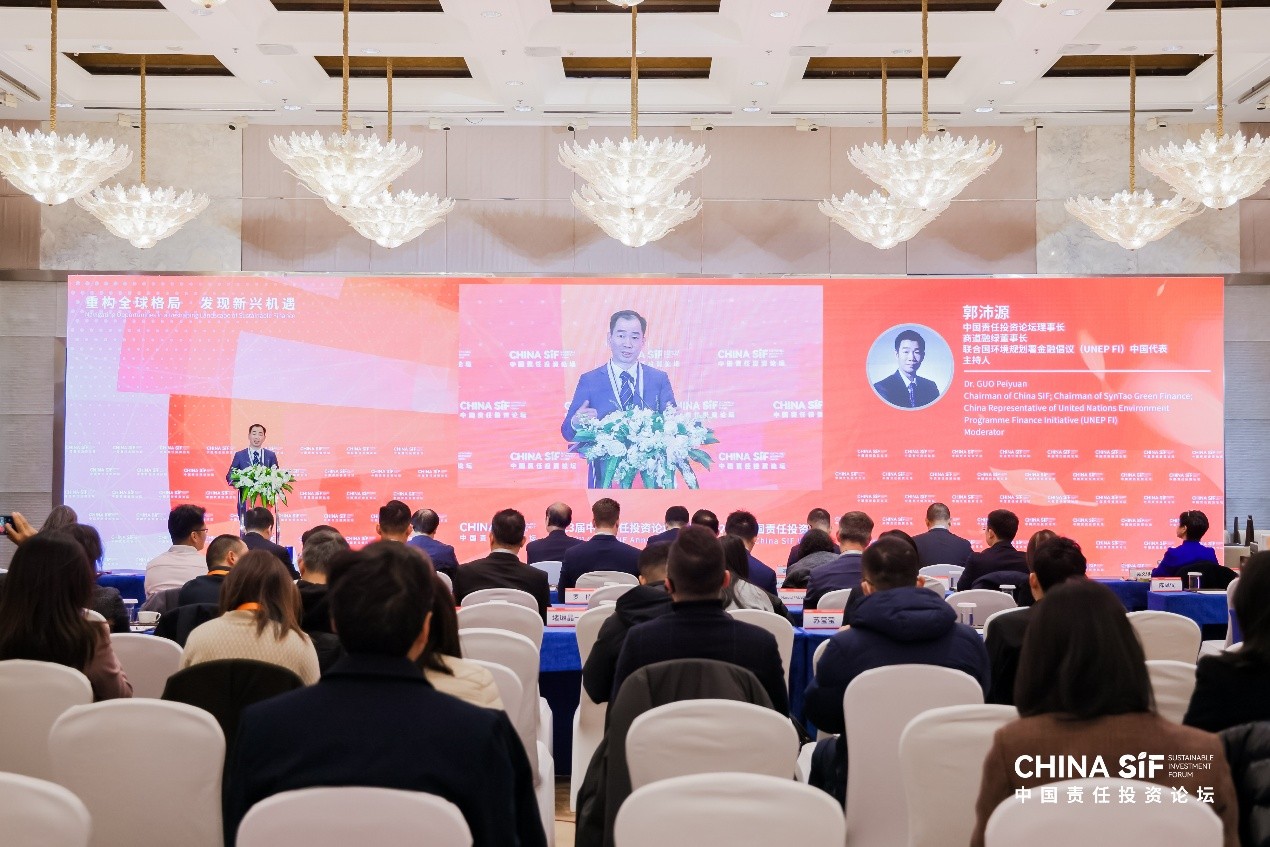 Dr. GUO Peiyuan, Chairman of China SIF, Chairman of SynTao Green Finance, and UNEP FI China Representative,
 opened the conference. He noted that while global ESG progress faces fluctuations, China continues to advance green transition, expand its green finance market, and respond to growing demand for climate-focused sustainability disclosure standards. This year’s agenda was designed to reflect the latest ESG developments and to identify new pathways and opportunities in sustainable finance.
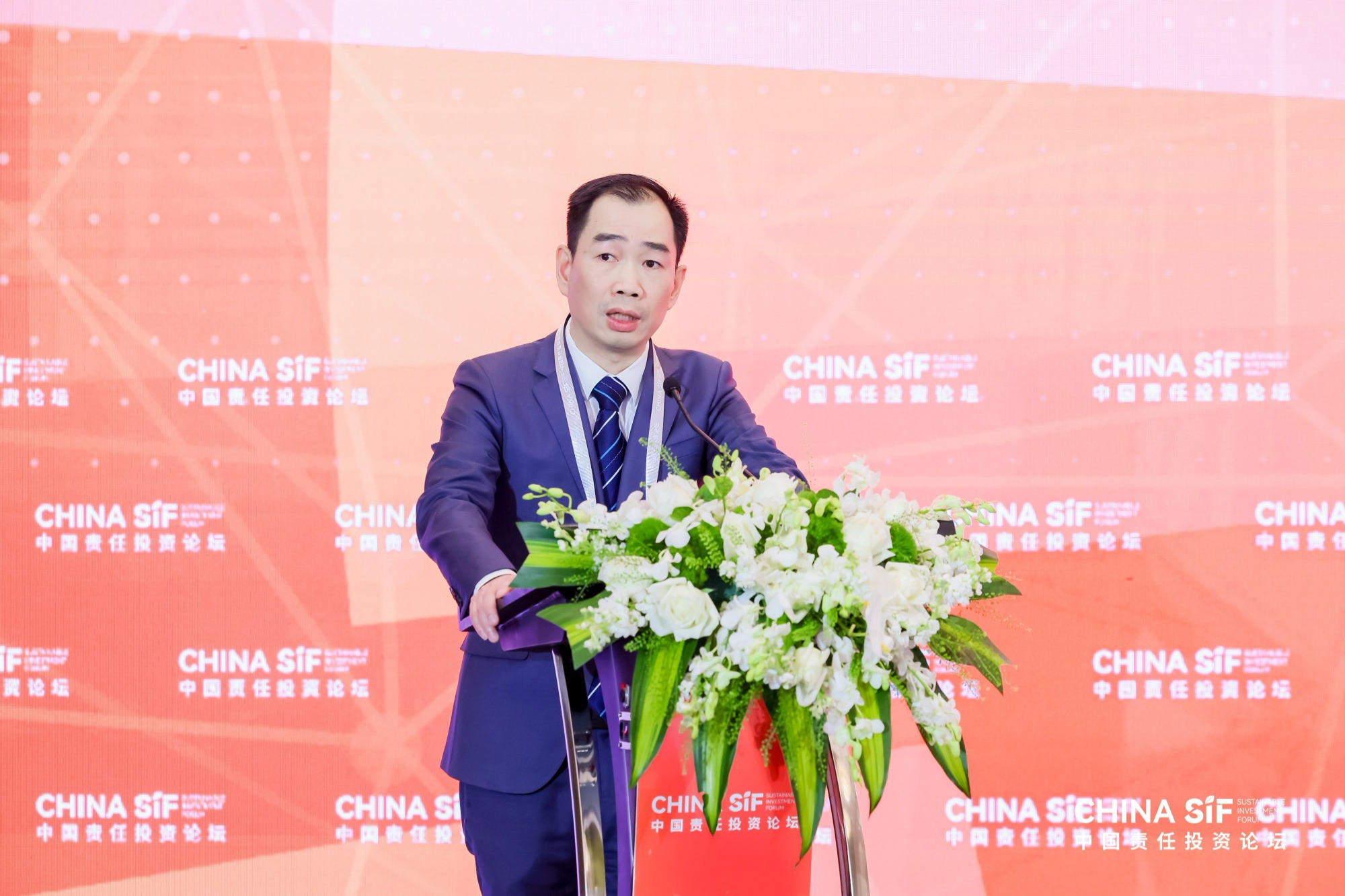
The first round of keynote speeches highlighted global and domestic ESG trends.
WANG Zhongmin, former Vice Chairman of National Council for Social Security Fund and Honorary Chairman of China SIF, delivered a keynote titled “AI Ends with ESG,” His speech elaborated on the impact of ESG on the development of AI from four dimensions: energy, materials, optical computing, and social ethics. He noted that from an environmental perspective, as AI technology advances rapidly, the sustainability of energy and resources has become a key challenge. In the future, computing power will no longer rely on traditional electricity but will shift toward green energy sources such as solar power in space to meet growing energy demands. In addition, the development of AI will drive material innovation and reduce reliance on rare resources. From a social perspective, the development of AI must pay attention to social ethics and promote more inclusive progress, ultimately serving sustainable development and shared prosperity for humanity. Wang emphasized that AI development must be deeply integrated with ESG principles in order to shape a greener and smarter society with energy justice.
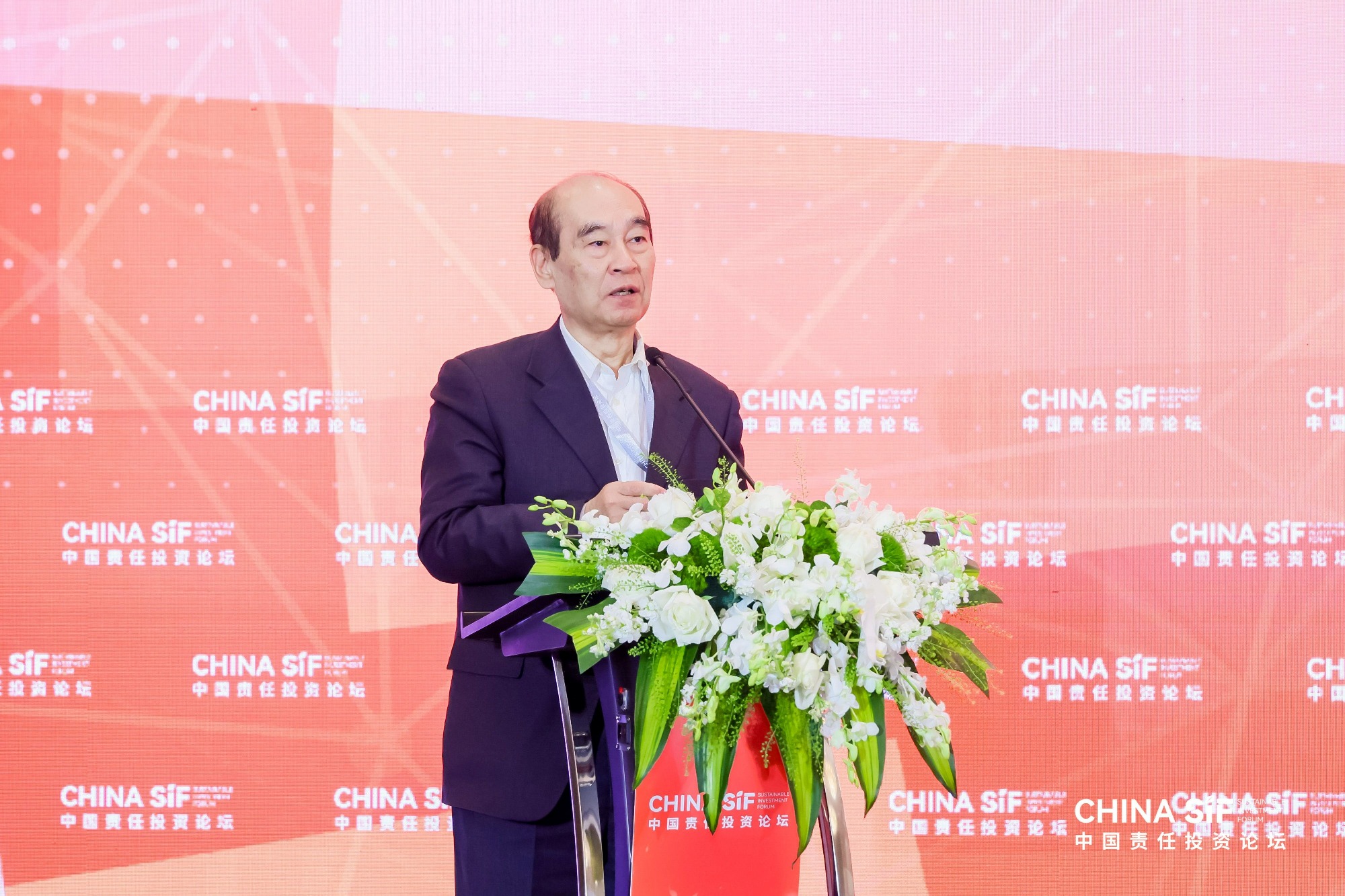 Maria SOSA TABORDA, Head of Membership & Regional Coordination, UNEP FI
 pointed out that APAC region and China have delivered outstanding performance in sustainability, with notable achievements from UNEP FI’s Principles for Responsible Banking (PRB) signatories. Sixty-one percent of PRB signatories lead their industry in managing financially material sustainability risks and opportunities, compared with 23% of non-signatories, based on their MSCI ESG Rating. Specifically, listed PRB banks in China have outperformed their peers by 5%-10% in ESG ratings and climate-related thematic scores according to STGF, further validating the value of sustainability integration. Maria cordially invites everyone to join the Global Roundtable (GRT 2026) in London during Climate Week in June 2026, where global leaders from finance, policy, and science will gather to discuss resilience, transition, and the future of the real economy.
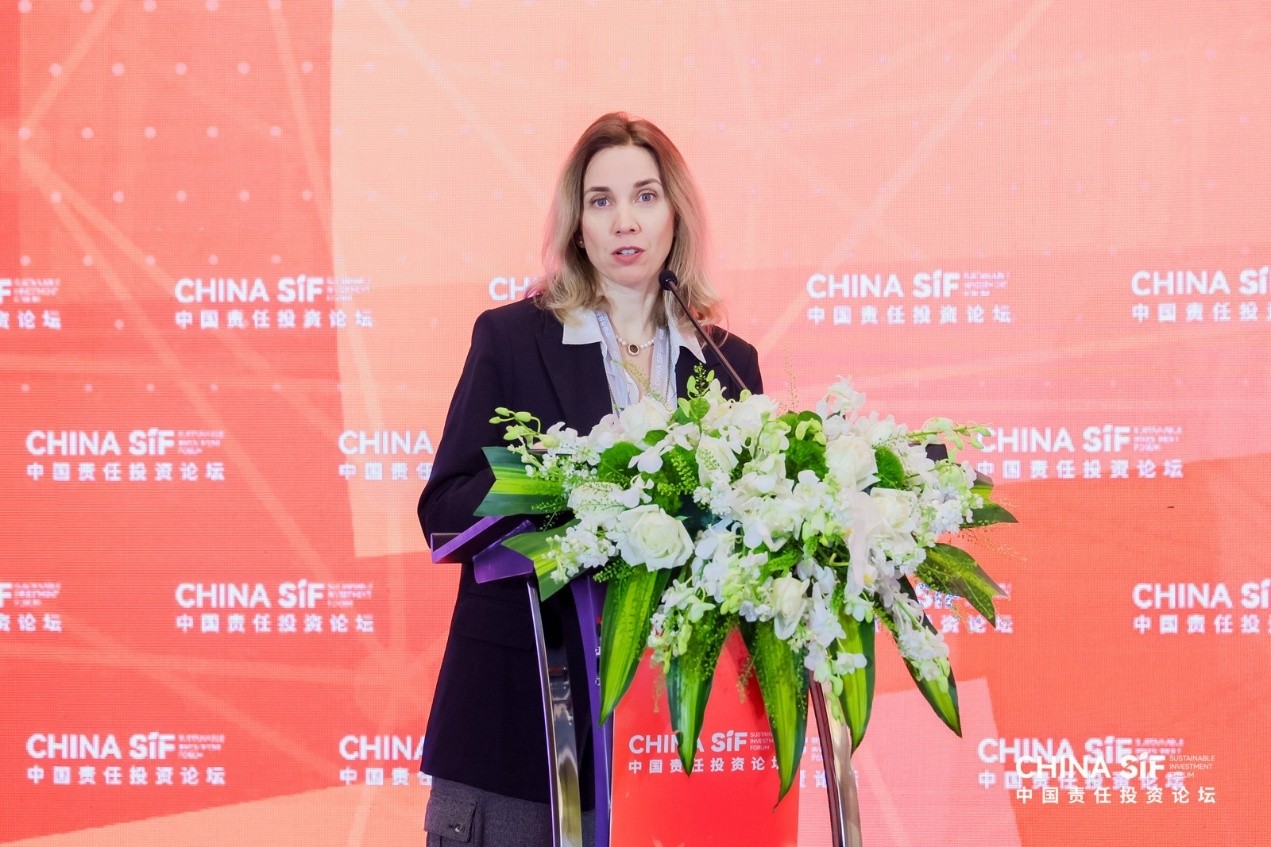 GAO Weibing, Party Secretary and Chairman of Guangzhou Futures Exchange
, pointed out that the Guangzhou Futures Exchange (GFEX) actively implements national strategies and takes serving green development as its responsibility. Focusing on innovative fields such as new energy, new materials, and carbon emissions, it has successively listed ten futures and options products including industrial silicon, lithium carbonate, polysilicon, platinum, and palladium, and has initially formed a new-energy metals futures segment. Its global price influence continues to expand, and participation from industrial enterprises keeps increasing. GFEX is also actively promoting high-level opening-up. It has already introduced QFIs to participate in trading industrial silicon, lithium carbonate, polysilicon, and other products, and is currently advancing the inclusion of lithium carbonate futures in the list of products open to specific investors. Mr. GAO stated that the exchange has now been approved to join the UN SSE, which is an important step in practicing the five development principles of “innovation, coordination, green, openness, and sharing,” and in supporting the green and low-carbon transition. The exchange will actively draw on international best practices, continuously improve its ESG governance capabilities and the effectiveness of its sustainable finance services, and play a more dynamic role as futures market to promot regional green and low-carbon transition, helping build a Beautiful China, and supporting high-quality global economic and social development.
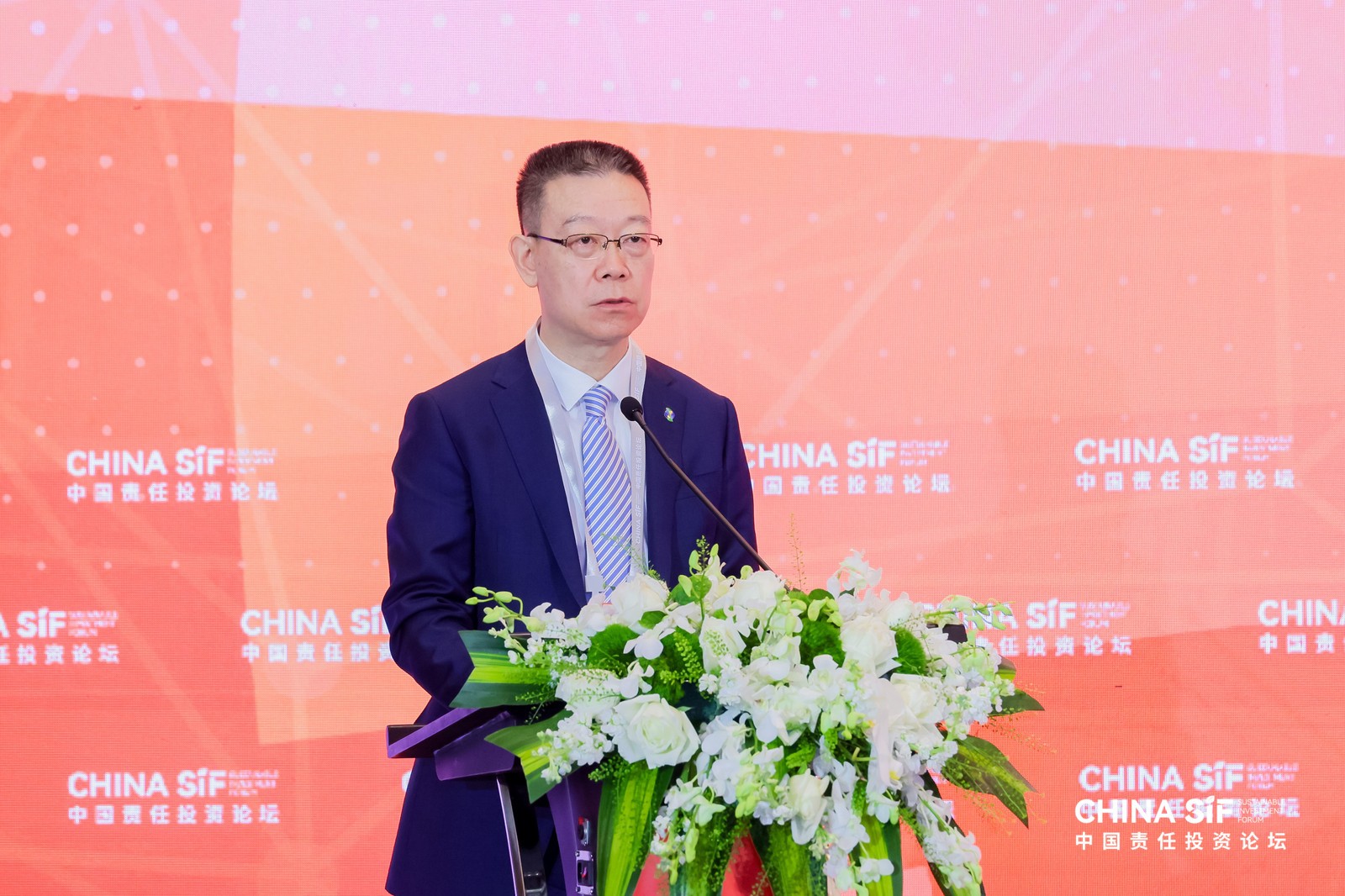 The Founder of Evergreenp, Miyuki ZENIYA,
 made a keynote speech on the new trends to invest and the role of China. She stated that the COP30 marked a turning point for sustainability finance, shifting global attention toward new investable frontiers such as AI-driven ecosystem monitoring, adaptation, nature finance and health-resilience markets. China’s rapid progress in transition finance and nature-based investment platforms stood out as shaping these emerging markets—positioning the country as a leading driver of the next phase of global climate and nature finance.
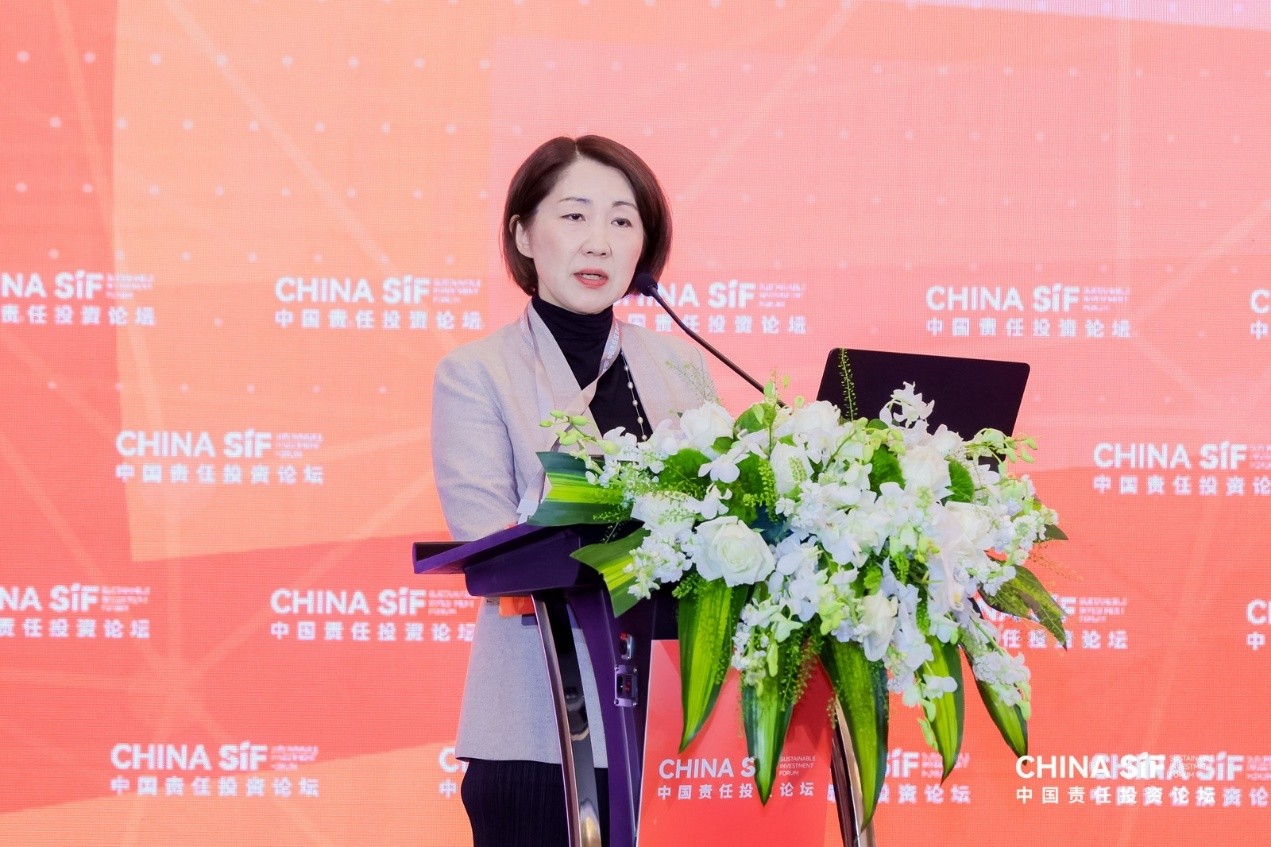
The first round of Panel Discussions focused on “Policy Developments in ESG Investing” and was moderated by D
r. GUO Peiyuan. Jonathan HO, Senior Specialist of Environmental Policy at PRI pointed out that it is important for governments to clarify the role of the finance sector in achieving global and national sustainability goals. Doing so reinforces the relevance of sustainability to finance, strengthens the legitimacy of responsible investment practices, and sends clear signals that support investment decisions.
Project Officer at the Sustainable Stock Exchanges Initiative (UN SSE) Landon WILCOCK shared with the audience that the UN SSE is pleased to co-host the China SIF Annual Conference and appreciates the opportunity to collaborate with leading institutions across China on advancing sustainability. As sustainability and nature-related disclosures gain importance for financial markets, China is well positioned to help shape emerging global practices. Through tools such as the UN SSE Model Guidance for Nature-Related Financial Disclosures, we look forward to supporting exchanges, regulators and companies in enhancing market transparency, resilience and long-term sustainable development.
ZHU Shouqing, China Senior Policy Advisor at the UNEP FI introduced the UNEP FI recently released report Greening China’s Banking System: Analysis of Policy and Regulatory Measures. He said that over the past 18 years, China’s green finance policies and regulatory framework have developed into a comprehensive system that combines traditional administrative tools with innovative approaches. Through policy and regulatory actions, China has built an institutional environment that supports environmental protection and climate change mitigation, and has helped shift the economy from a high dependence on natural resources to a growth model driven by innovation and capital.
Elaine NG, Associate Director, International Affairs & Sustainable Finance at the Securities and Futures Commission of Hong Kong SAR (HK SFC) shared that, despite global ESG headwinds, the HK SFC remains focused on implementing Hong Kong’s sustainability reporting roadmap, driven by global investor demand for material sustainability information and the need for Hong Kong market participants to become fluent in this common language.

At the following release session,
Raymond ZHANG, CEO of SynTao Green Finance and Member of China SIF Board of Directors, released the China Sustainable Investment Review 2025 and An Overview of China A-share ESG Performance 2025. The reports point out that China’s responsible investment market continues to expand, the overall level of A-share ESG ratings is steadily rising, and both the investment and financing sides are moving from “growth in quantity” to a stage of striving for “improvements in both quality and effectiveness.” Among these developments, high-quality data is the key link connecting capital and assets.
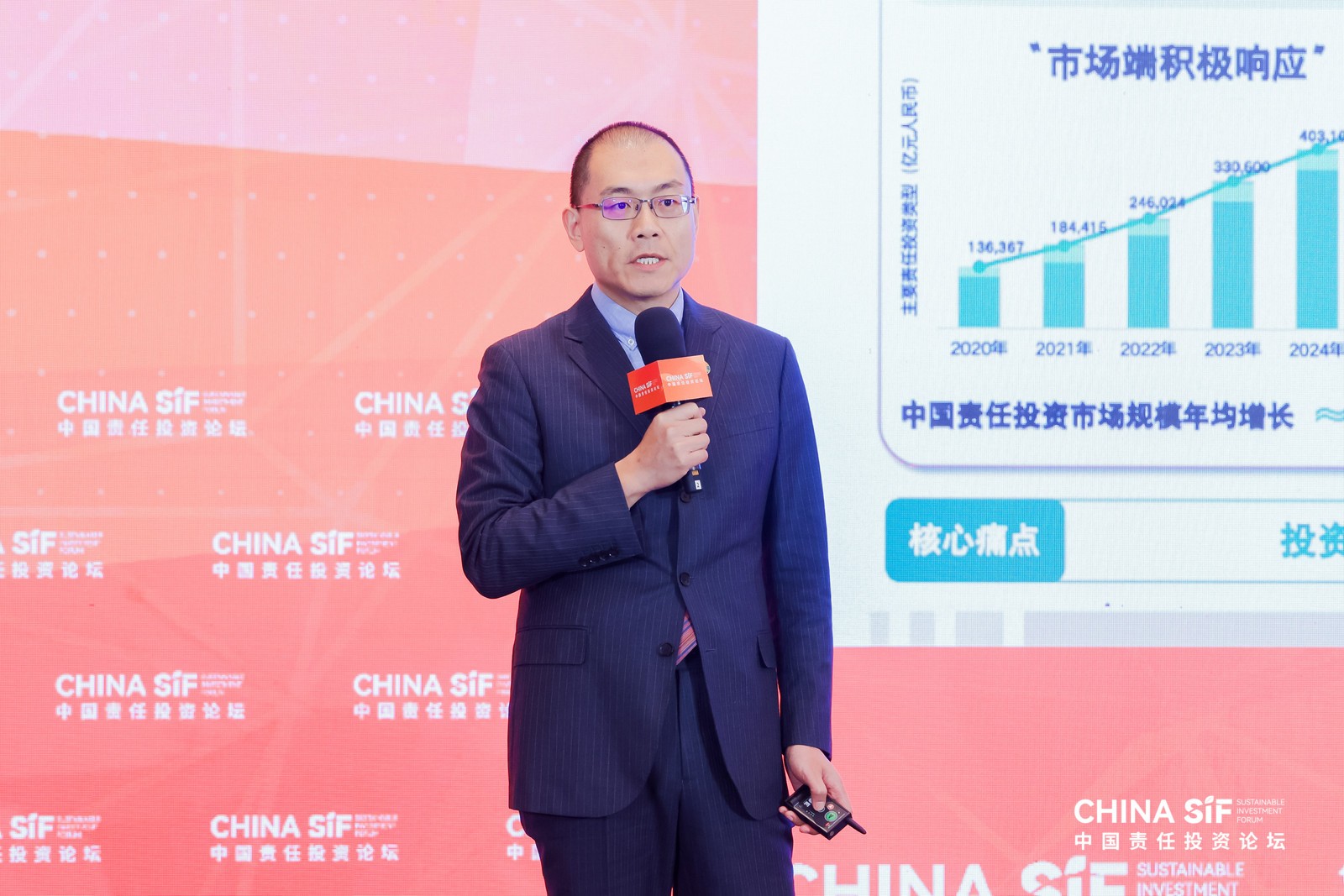 HOU Hongyang, Vice President of Ziru Group Co., Ltd.
, released a new business-travel carbon data measurement product called
Zirong Green Carbon Pass. This product, jointly launched by Ziru Group and SynTao Green Finance, is an efficient and precise carbon management solution. It supports automatic multi-dimensional data collection across the entire business-travel process, enabling accurate calculation of carbon emissions for each trip. The carbon emission data can be directly used for corporate ESG disclosure in accordance to relative standards. Visualized data analysis and industry benchmarking can help companies optimize their emission-reduction pathways and enhance ESG management and sustainable value.
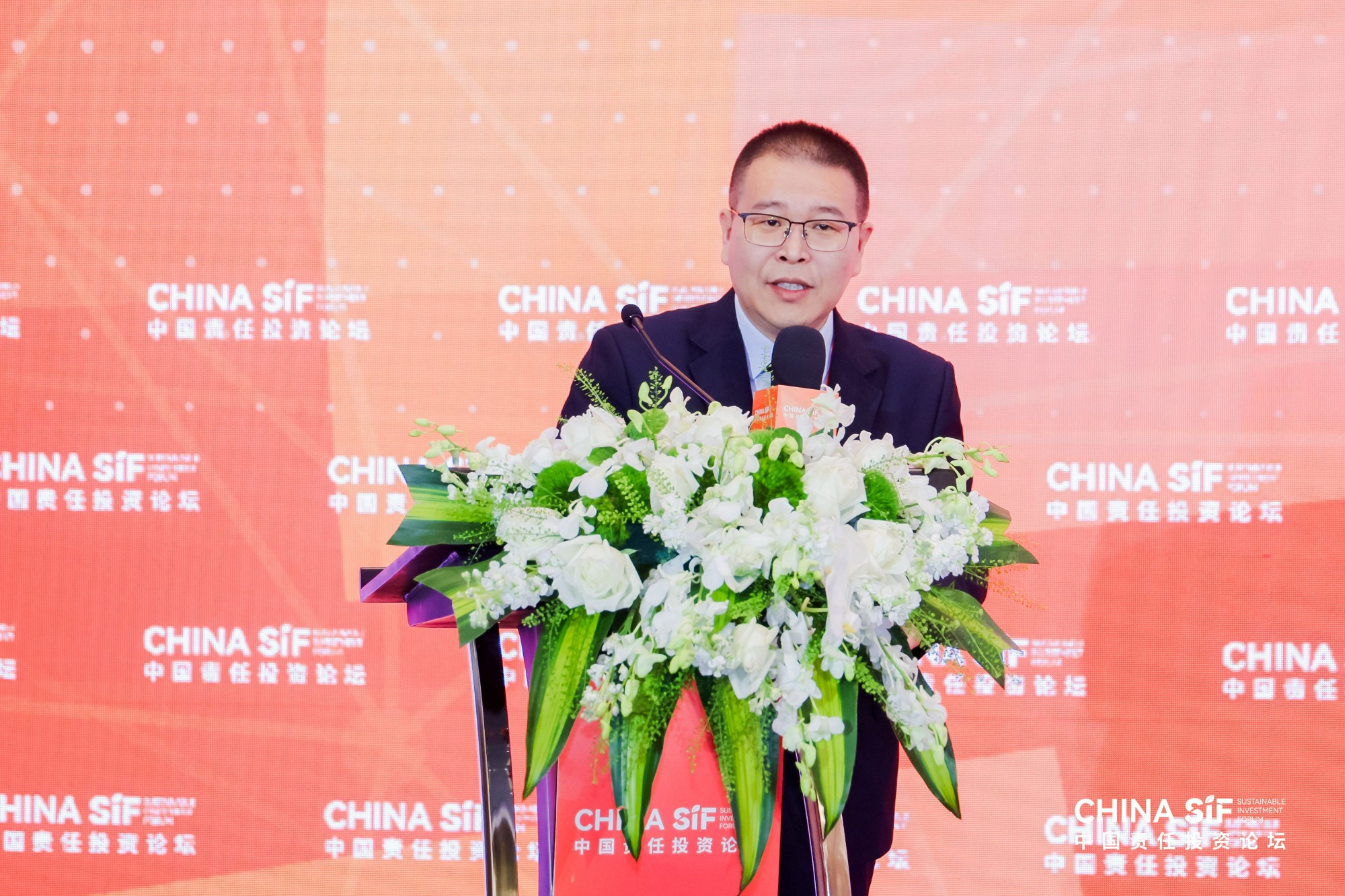 Dr. AN Guojun, Vice Secretary General of Green Finance Committee, Vice Chairman of China SIF and Founder of Yuze Cixin Charity
, released the latest update of the Responsible Investment Capability Evaluation (RICE) System on behalf of the research team. The evaluation assesses the responsible investment capabilities of 231 asset management institutions across six dimensions, including strategy and management. The results show that 17 public fund companies and 2 insurance asset management institutions reached the four-panicle (fourth-level) rating, accounting for 10.3% of all public fund companies and 5.7% of insurance asset managers. Compared with 2024, this represents steady improvement.
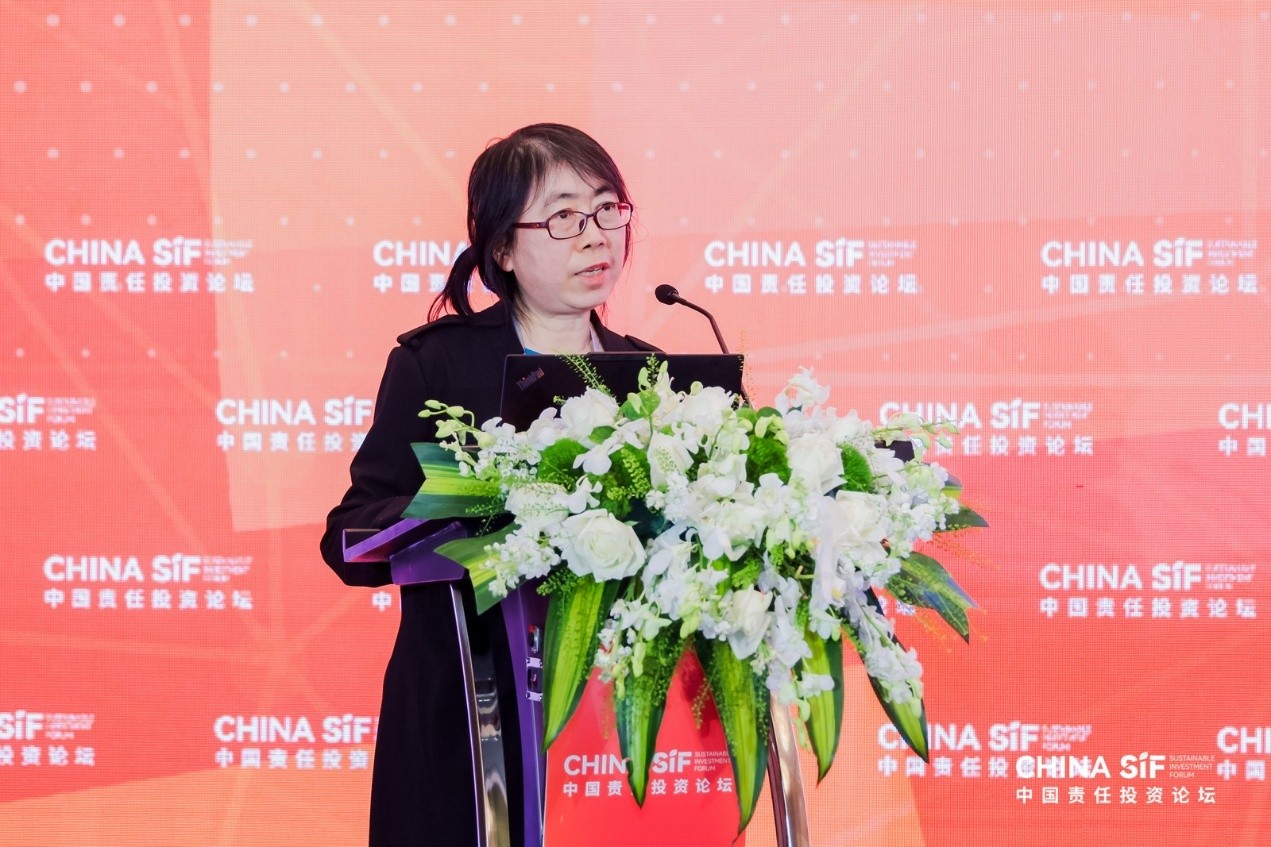
The second round of keynote speeches were around the topic “Exploring New Opportunities in ESG Investing”.
Franziska ZIMMERMANN, Managing Director of Sustainability, Temasek, emphasised that sustainability is not a trade-off of returns, but a source of resilience and long-term value creation. With Asia playing a decisive role in achieving global net zero and the urgent need to move beyond “financing green” to “greening finance”, Franziska underscored Temasek’s commitment to enabling the transition towards a more sustainable and resilient world through several initiatives. These include embedding environmental, social and governance (ESG) considerations across its investment process, and leveraging blended finance mechanisms and transition credits by collaborating with like-minded organisations through initiatives such as the Green Investments Partnership (GIP) and the Transition Credits Coalition (TRACTION) to scale regional clean energy projects. Her closing message was clear: the climate crisis knows no borders, and collaboration is key to turning risks into opportunities.
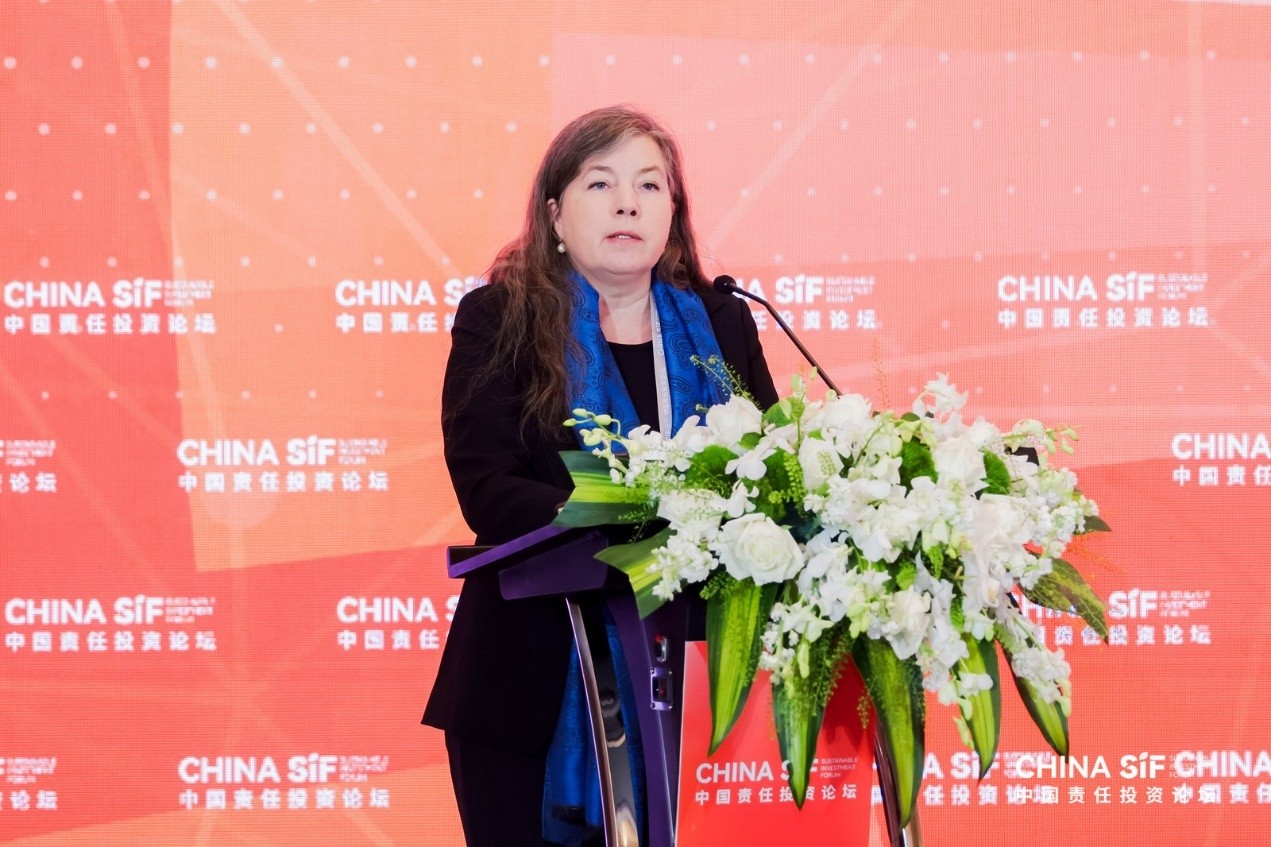 Global Head of Research in Sustainable Finance, Ofi Invest Asset Management; President of the Engagement Committee at French SIF, Luisa FLOREZ
 pointed out that, integrating ESG criteria is essential to shield investments from systemic risks like climate change, biodiversity loss, and social inequalities, managing both financial and non-financial shocks.
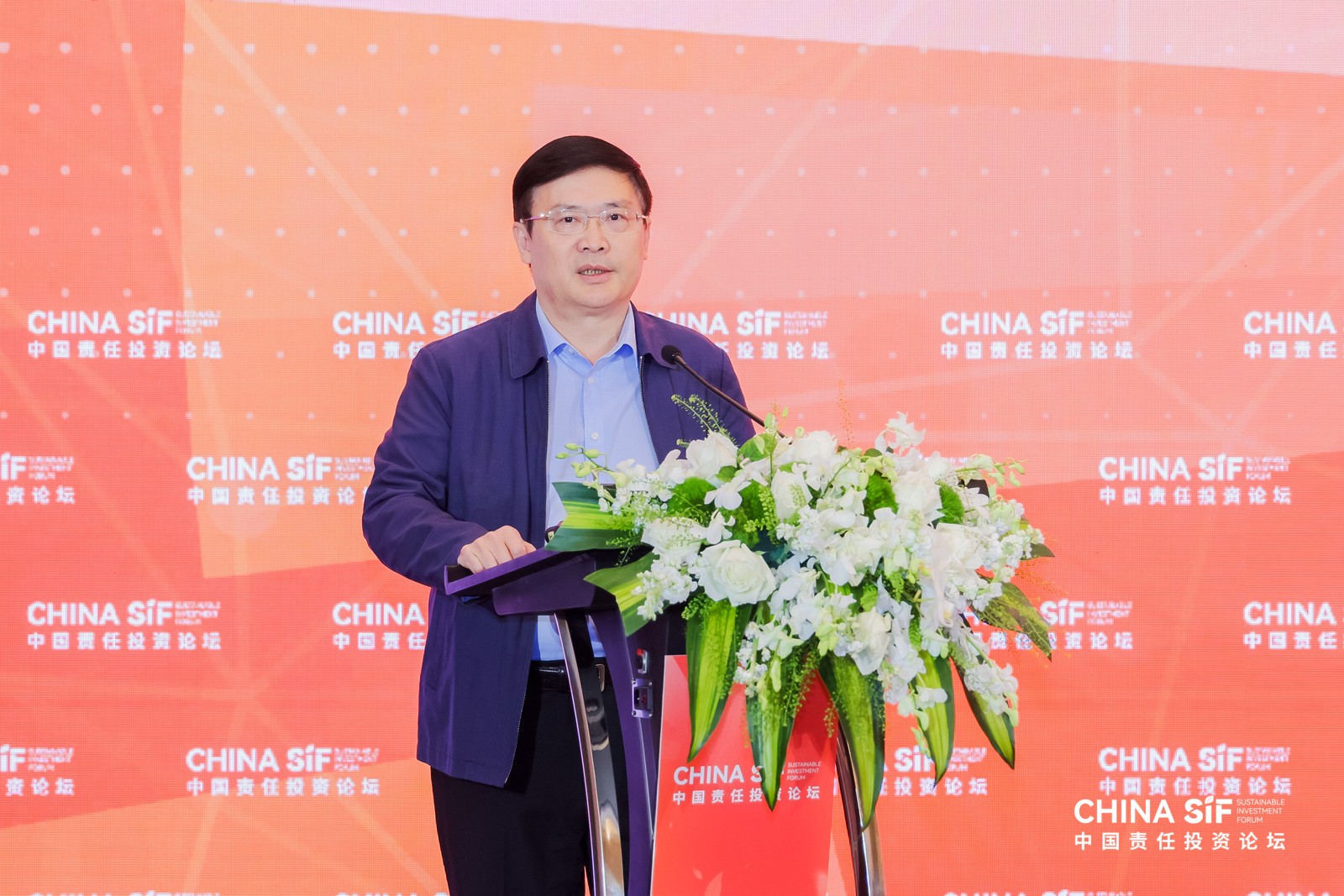
 WANG Yida, Chairman of the Supervisory Board of National Green Development Fund
 said that, in the coming period, the “dual-carbon” goals will guide the green transition, and “dual controls on carbon emissions” will become the core driving force. This will promote coordinated progress in optimizing industrial and energy structures and adjusting regional development models, accelerating the shift of economic and social development toward a green, low-carbon, and high-quality model. Under policy regulation and market forces, implementing ESG is gradually shifting from being an “optional choice” to a “required task” for enterprises. At the same time, by continuously strengthening “risk prevention and control” and “opportunity creation,” ESG is providing companies with a key pathway to enhance both resilience and value. It will move beyond the realm of “corporate responsibility” and become an “important paradigm” that aligns with global rules, drives green transition, and creates long-term value.
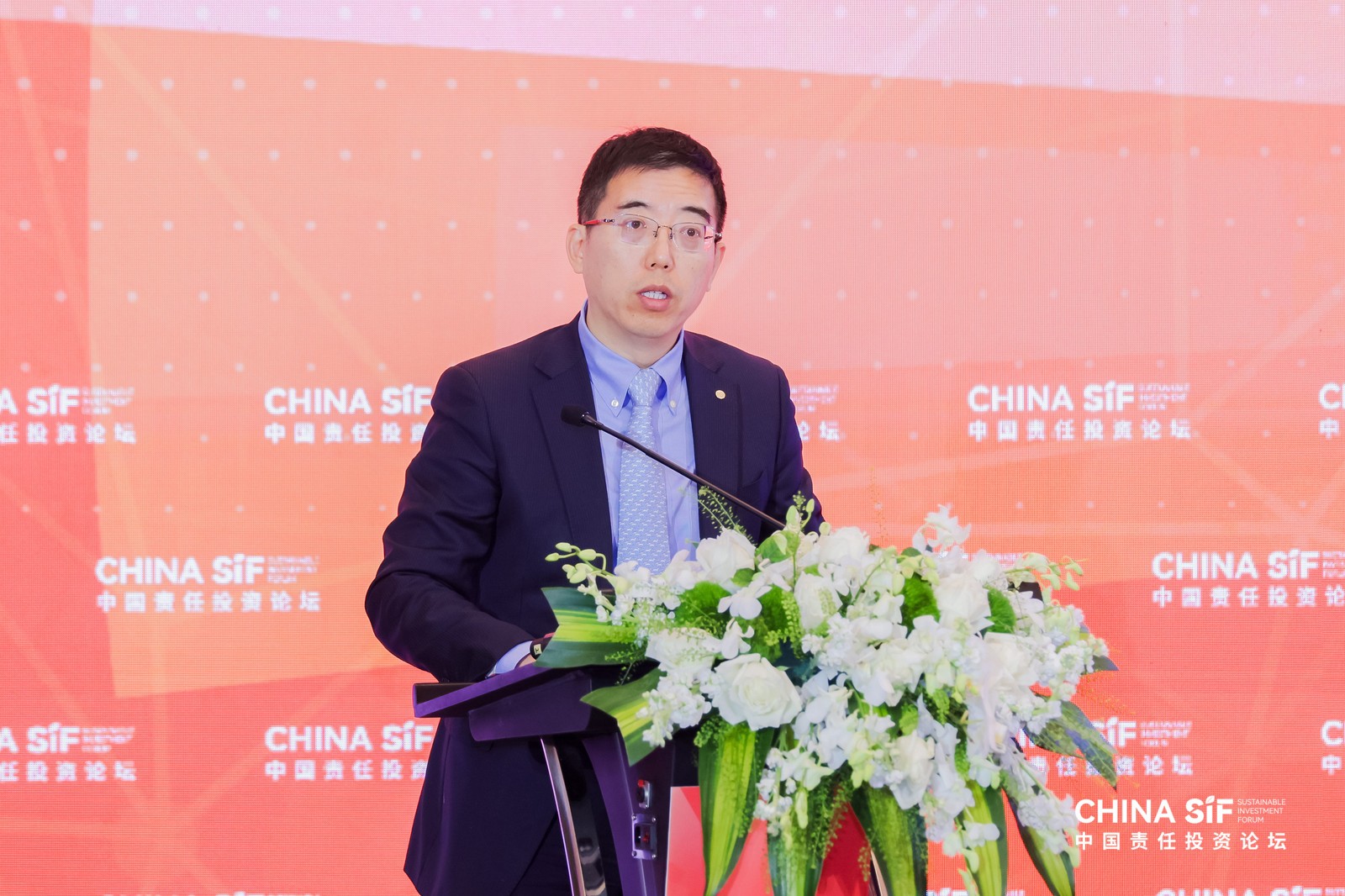
 Geoff SU Gang, Executive VP, CIO and CFO of CPIC Group,
 stated that as global ESG standards continue to improve and benefits from domestic policies are being released, ESG has become a mandatory topic for investment, generating systematic opportunities in areas such as new energy and advanced manufacturing. CPIC has built end-to-end ESG investment capabilities through institutional development, technological empowerment, and the creation of benchmark projects, while also working with various stakeholders to promote international coordination, industry collaboration, and ecosystem building. Going forward, CPIC will continue to finance green development and further advance its work in sustainable development.
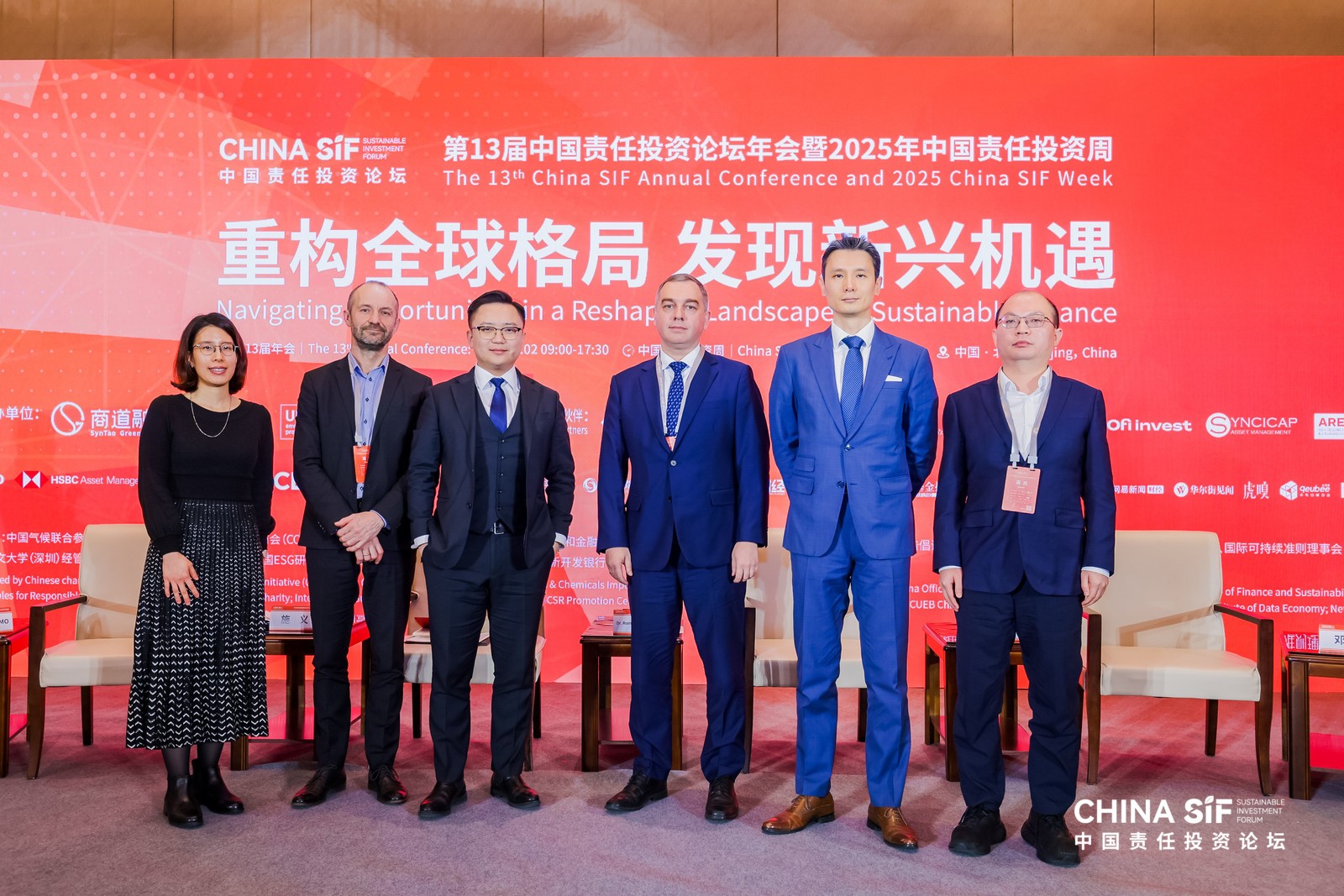
The second round of Panel Discussion focused on “ESG Investing in the New Landscape”, moderated by
Valerie KWAN, Director of Stewardship at the Asia Investor Group on Climate Change (AIGCC). Arild Skedsmo, Director of Responsible Investment at KLP Asset Management AS, noted that climate change, human rights violations and environmental destruction are issues that will effect societies and economies at large, with substantial long-term financial consequences for any diversified portfolio. Reducing this to a separate asset class of 'ESG-investments' risks reducing issues fundamental to human well-being and global economies to a 'special interest issue'. Investors should focus on how to contribute to high ESG standards across the mainstream portfolio and reward leadership, but also engage lower performing companies, and challenge regulators for market conditions that stimulate responsible operations at a level playing field.
SHI Yi, Client Portfolio Manager and Impact Specialist at Thematic Equities, Pictet Asset Management, shared with the audience that Pictet has been building environmental thematic strategies for 25 years, starting with water in 2000 and expanding into clean energy transition, sustainable timber, global environmental opportunities and, most recently, the shift towards a regenerative economy beyond net zero. As an impact‑oriented thematic investor, Pictet combines intentional capital allocation with rigorous, SMART‑based corporate engagement to drive measurable changes in business models and real‑world outcomes, supported by advanced impact models that capture lifecycle effects on biodiversity and society.
Dr. Roman NOVOZHILOV, Head of ESG at the New Development Bank (NDB), stated that NDB is committed to advancing climate finance that supports a resilient and inclusive future. NDB’s goal is to mobilize resources for sustainable infrastructure which is built with robust environmental and social safeguards and to ensure that projects are delivered in alignment with NDB’s climate objectives.
Ricco ZHANG, Senior Director for Asia-Pacific at the International Capital Market Association (ICMA) stated that the landscape of sustainable development in the capital market is rapidly evolving and transition finance is poised to take a bigger role in financing the fossil fuel and hard-to-abate sectors.
DENG Wenshuo, Deputy General Manager of the ESG and Brand Management Department at Huaxia Wealth Management, shared practical cases of both debt investment models and equity investment models employed by wealth management funds to support steel enterprises in their low-carbon transition, with tailored approaches for three distinct low-carbon transition pathways.
In the second release session,
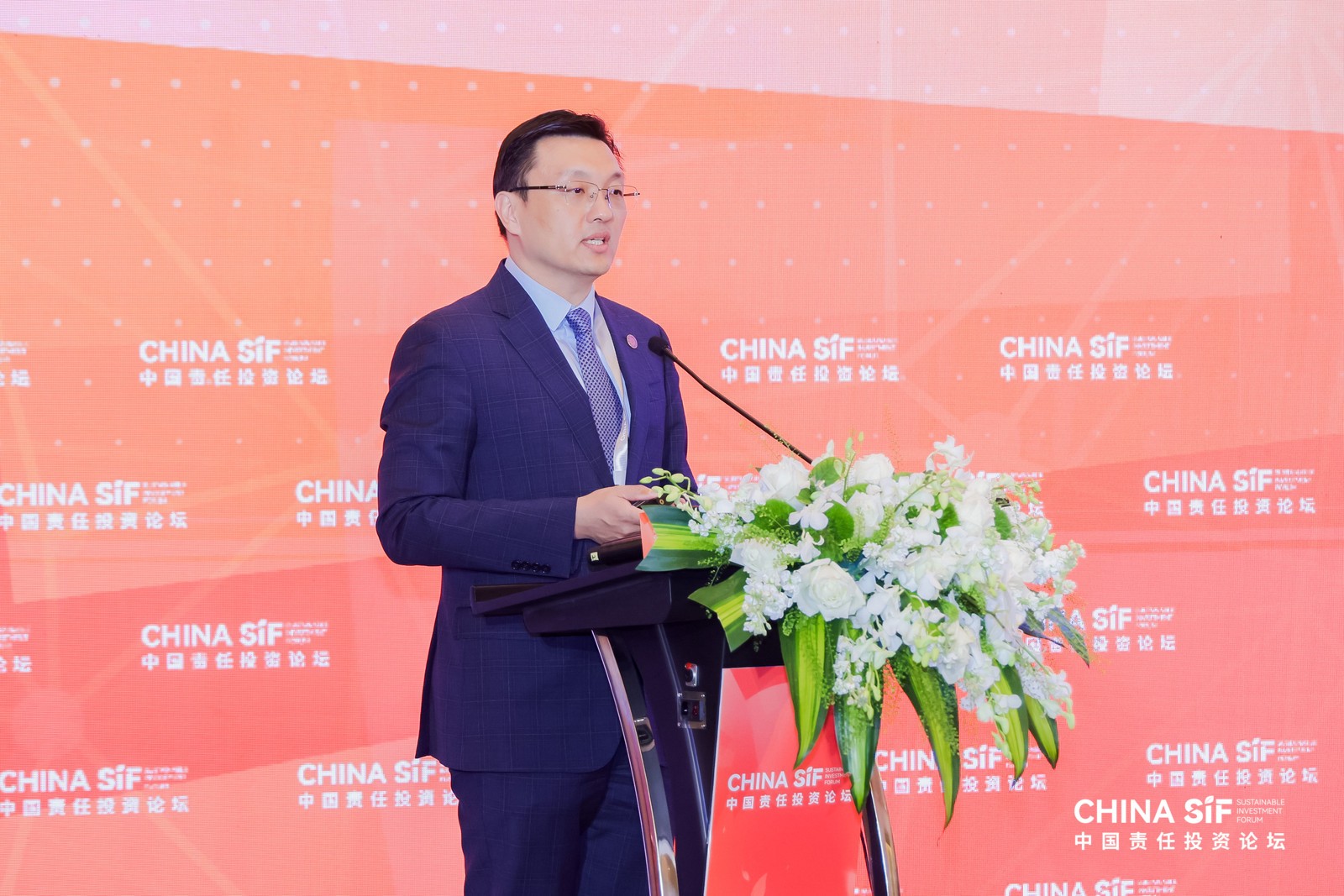
Professor ZHU Xufeng—Dean of the School of Public Policy and Management at Tsinghua University and Executive Director of the Tsinghua Institute for Sustainable Development Goals (SDGs)—released, on behalf of the institute, the fifth consecutive edition of the Research on the ESG Rating System of Local Governments in China (2025) (hereinafter as the “Research”) at the China SIF Forum. The Research provides a quantitative assessment of the overall ESG performance of 32 provinces (including autonomous regions and municipalities) and 120 cities in China from 2015 to 2025. The overall ESG performance of local governments in China has demonstrated a continuous upward trend, in close alignment with national-level policy efforts in digital government development and ecological civilization construction. The Research recommends accelerating the establishment of unified national standards for ESG governance information disclosure, creating special funds to enhance digital governance capacity in central and western regions, promoting institutionalized cross-regional ESG coordination mechanisms, and improving differentiated financing mechanisms based on governance performance.
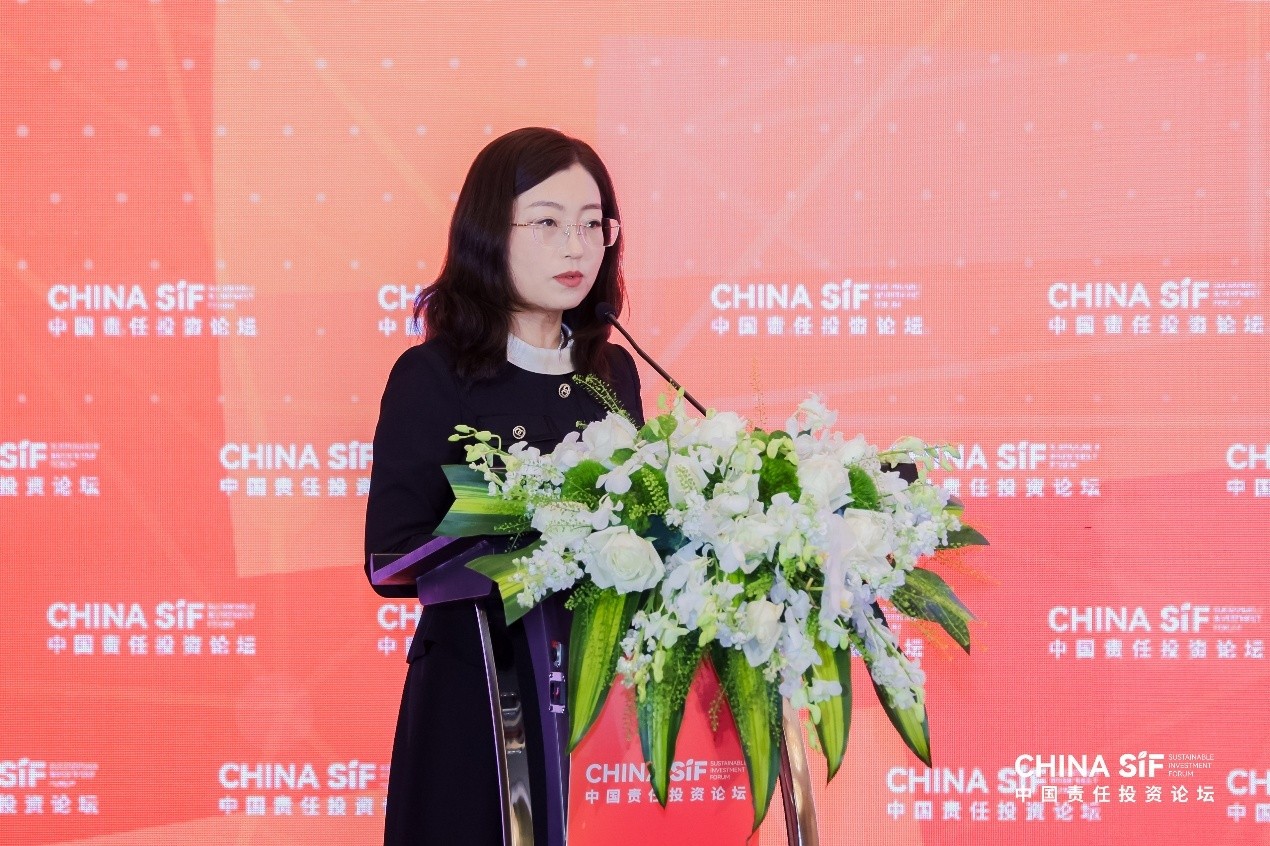
 Katherine HAN, Head of ESG Research & Investment at Harvest Fund
, released the white paper Shareholder Voting Patterns and Trends in China’s A-Share Market: Insights for Institutional Investors’ Stewardship Practices. At a critical stage in the high-quality development of China’s capital market, the white paper focuses on the governance behavior of A-share listed companies and the protection of shareholder rights. By analyzing a large volume of voting data from shareholder meetings in the A-share market, it provides insights into shareholder participation and its effectiveness in corporate governance, offering useful reference for institutional shareholders to strengthen stewardship practices and support high-quality development of listed companies. As a pioneer in sustainable investment in China, Harvest Fund has actively practiced the concept of high-quality development through in-depth stewardship efforts, including leading ESG-themed engagements and collaborative engagement activities with companies. The release of this white paper marks another important achievement in Harvest Fund’s exploration of stewardship models with Chinese characteristics.
In the afternoon, the China SIF Annual Conference held four parallel forums covering the topics of “Diversification of ESG Ratings and Applications,” “Climate Risk Analysis and Assessment,” “Progress in Sustainable Disclosure at Home and Abroad” and “Agriculture Sustainable Development and Nature Finance.”
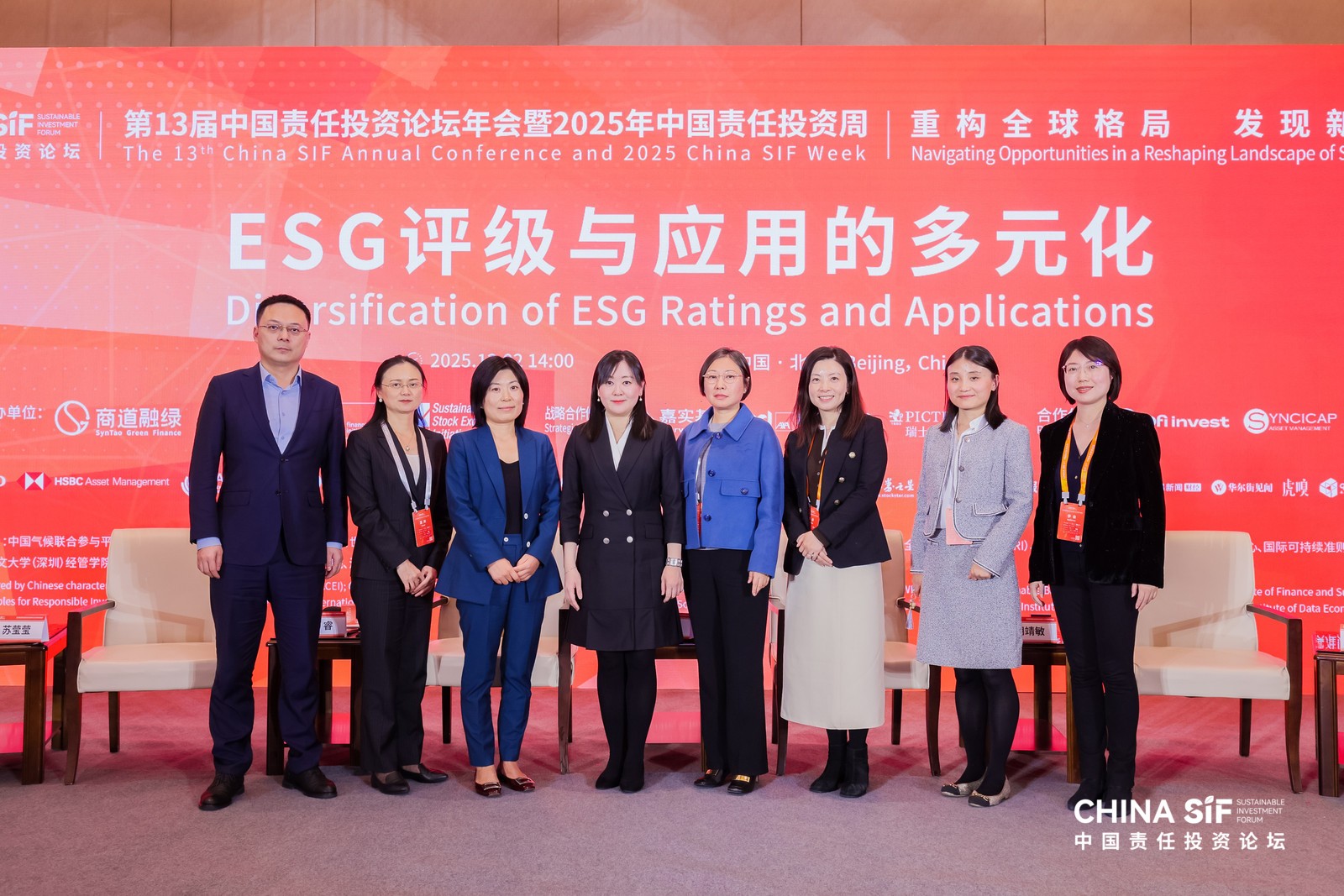
The Parallel Forum “Diversification of ESG Ratings and Applications” was chaired by
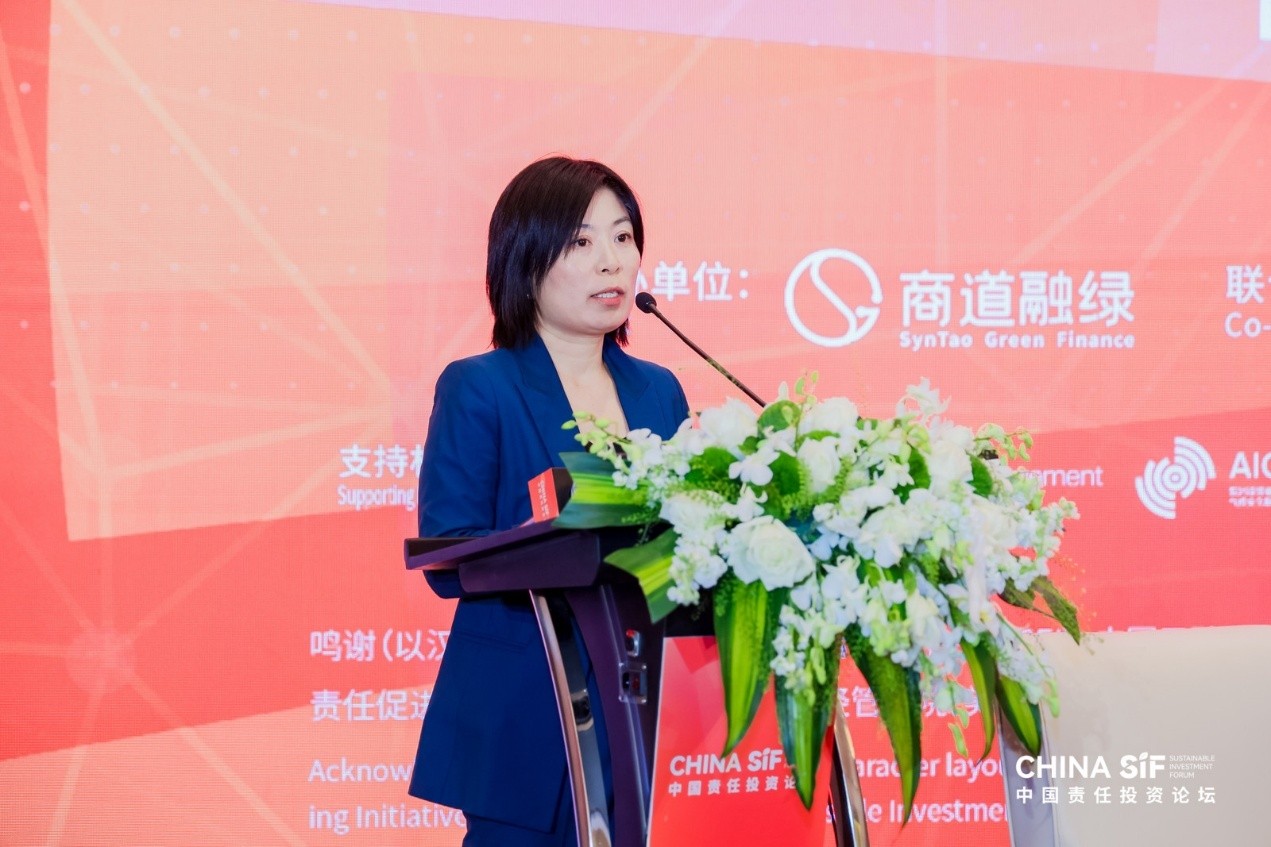
LUO Nan, Head of China for the Principles for Responsible Investment (PRI). She pointed out that the effective functioning of ESG ratings relies on high-quality and comparable data disclosed by listed companies. She expressed the hope that, with the support of AI in the future, ESG ratings can become an effective tool to help companies create long-term value and achieve sustainable development.
In her keynote speech,
IKEDA Kae, Portfolio Manager of the International Business Department, AXA SPDB Investment Managers, stated that as professional investment institutions, mutual funds aim to empower responsible investment and corporate sustainable value creation through substantive ESG analysis that combines quantitative data and qualitative insights. AXA SPDB advocates an ESG investment methodology that is guided by material issues and integrates data with in-depth engagement, in order to improve investment decision-making quality and to drive substantive improvements in the ESG performance of investee companies.
ZHU Chenjing, Chief Marketing Officer and Deputy General Manager of BNP Paribas ABC Wealth Management, gave a detailed explanation of the company’s sustainable investment framework. He stated that BNP Paribas ABC Wealth Management has built its own materiality-oriented ESG evaluation system by combining the international practical experience of its foreign shareholders with its own local research findings, and has also innovatively introduced SDGs thematic products. He further elaborated on the company’s diversified applications of ESG ratings as well as the challenges faced.

During the Panel Discussion,
SU Yingying, Head of ESG Research and CPM at Invesco Great Wall; Grace GUAN, Head of Amundi Responsible Investment China and Member of China SIF Board of Directors, Michelle XIAN, Senior Vice President of the Corporate Sustainability Department at China Southern Asset Management; HU Jingmin, Sustainable Investing Lead at FIL Fund Management (China); and Rachel GUO, managing Director and Head of ESG at Springs Capital, shared insights based on investment practice and market observations. They discussed the investment application of ESG ratings, differences in institutional practices, difficulties in applying ratings and possible solutions, the relationship between ESG ratings and company performance, and suggestions for improvement, as well as their outlook on future development trends.
The Parallel Forum on “Climate Risk Analysis and Assessment” was moderated by
XIE Wenhong, Head of China Programme at the Climate Bonds Initiative (CBI).

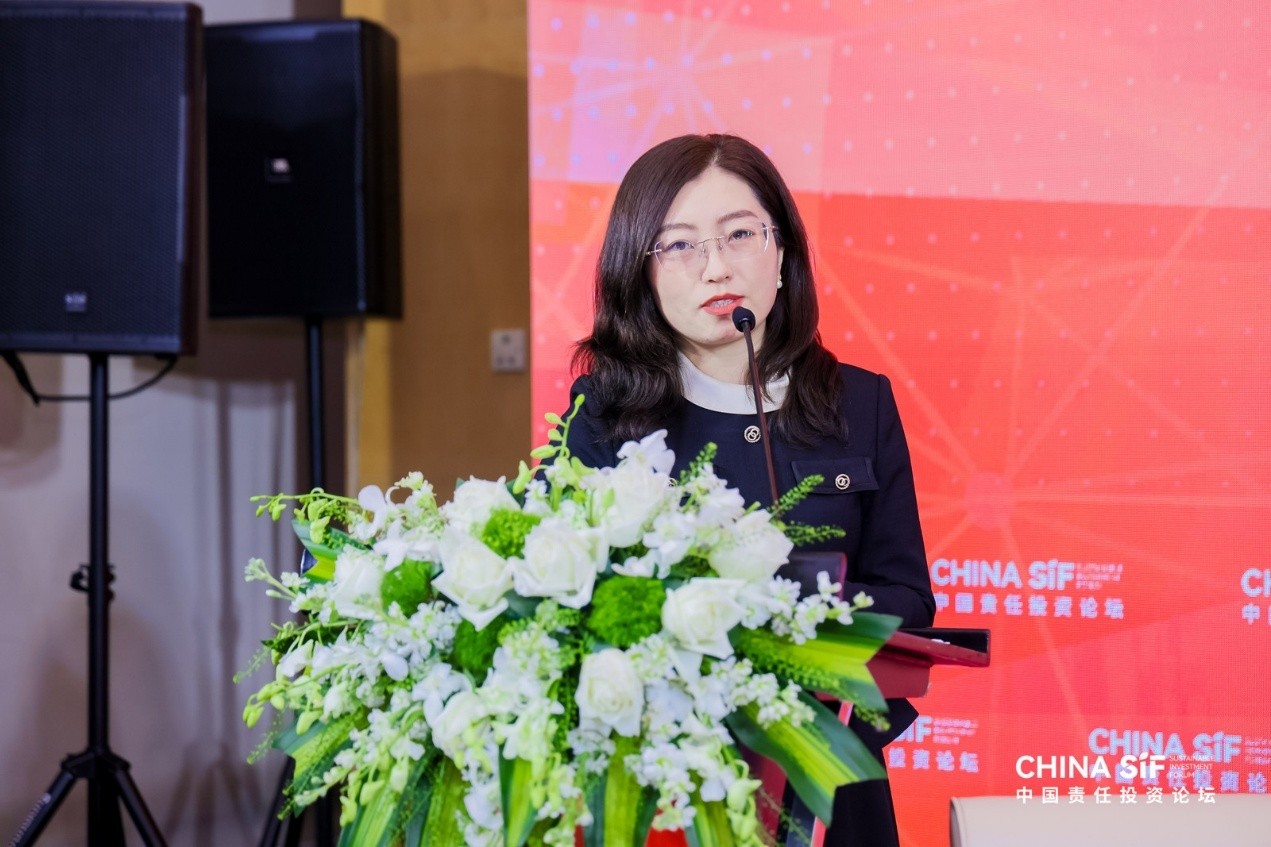
In her keynote speech titled “Driving Green Transition of Listed Companies through ESG Governance",
Katherine Han interpreted the latest trends in China’s green transformation and green-finance policies, and explained how Harvest has leveraged deep dive ESG research to pinpoint long-term sustainability-related investment opportunities and risks. Zooming in on micro-level ESG governance and green-transition practices among A-share listed firms, she presented various data analysis to demonstrate progress and performance in environmental management, information disclosure, green innovation and climate-risk response across the A-share market. She believes that, with strong policy push and market mechanisms working in tandem, A-share companies are achieving significant green-transition outcomes by leveraging ESG governance tools, and ESG adoption is progressing from “compliance-driven” to “intrinsic-motivation-driven” mode.
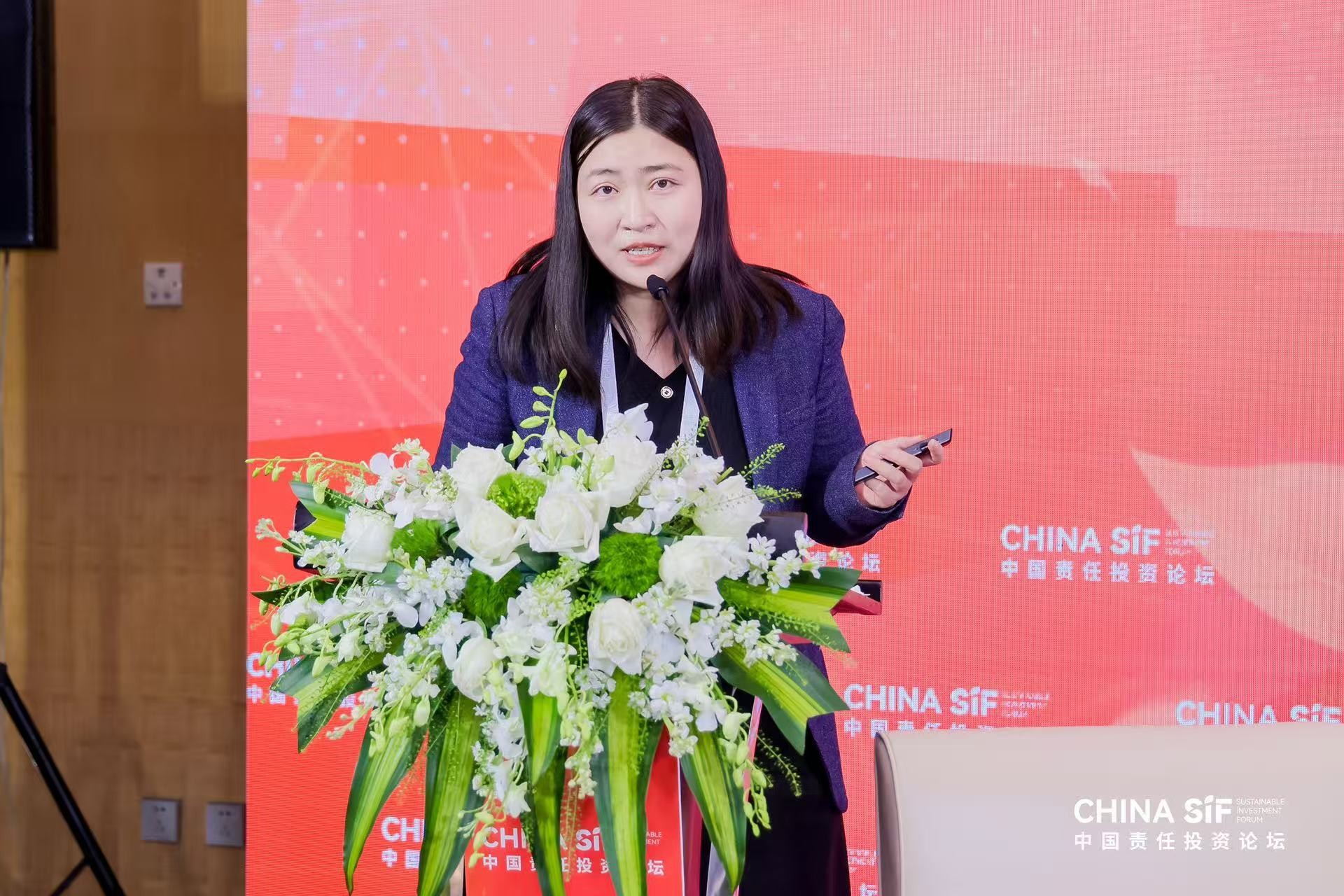
 CHAN Wai-Shin, Director of Research at Asia Research & Engagement (ARE),
 stated that the analysis and assessment of climate risk is a progressive process, which includes identifying and classifying risks, determining whether they are understood in the correct context, and assessing whether they can be transferred or mitigated. For banks and financial institutions, building internal capabilities for climate-risk identification and management, and integrating climate risk into overall strategy, are important steps.
 Ellie LI, Consulting Director at SynTao Green Finance,
 pointed out that companies face three major challenges in climate disclosure: increasingly stringent regulatory requirements, the difficulty of quantifying risks, and the need to reasonably determine the scope of disclosure. She suggested that companies benchmark regulatory requirements and peer practices, identify gaps and make targeted improvements; use professional databases and models to conduct quantitative analysis of physical and transition risks; and incorporate the positive value brought by climate-related opportunities into their management frameworks to achieve integrated management of both risks and opportunities.
During the Panel Discussion,
Dr. DONG Shanning, Deputy General Manager of the Green Finance Department and the Corporate Finance Department at Bank of Jiangsu; Kristy WONG, Head of Responsible Investment Specialists for Asia and the Middle East at HSBC Asset Management; WANG Bo, Head of ESG Research at Yin Hua Fund; Lena DU, Senior ESG Analyst at Nordea Asset Management; and Dr. HE Xiaobei, Research Fellow and Deputy Director of Macro & Green Finance Lab at the National School of Development (NSD), Peking University, shared their institutions’ practical experience and research on climate-risk analysis. They jointly discussed methods of climate-risk assessment, applications and potential challenges, as well as specific considerations for climate-risk evaluation in the Chinese context.
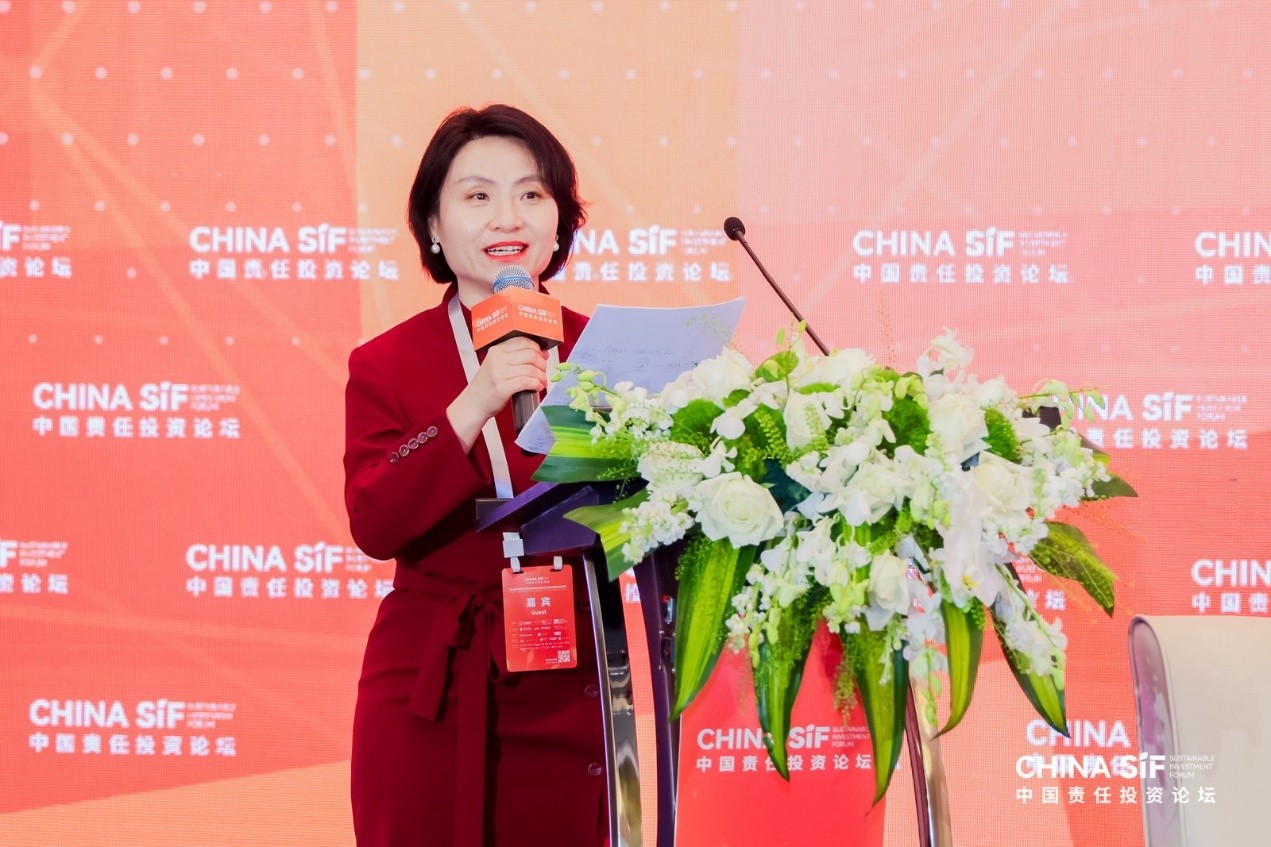
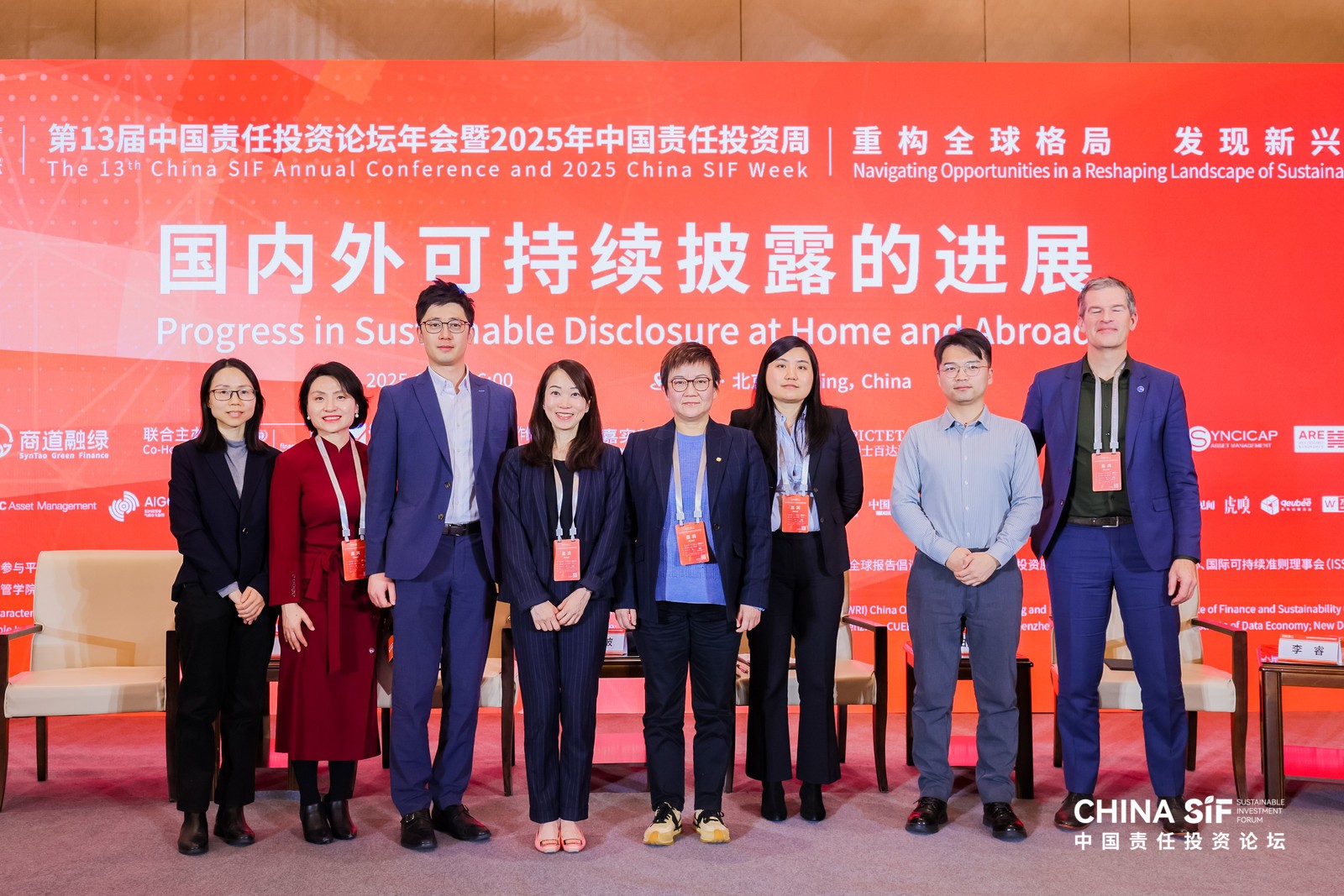
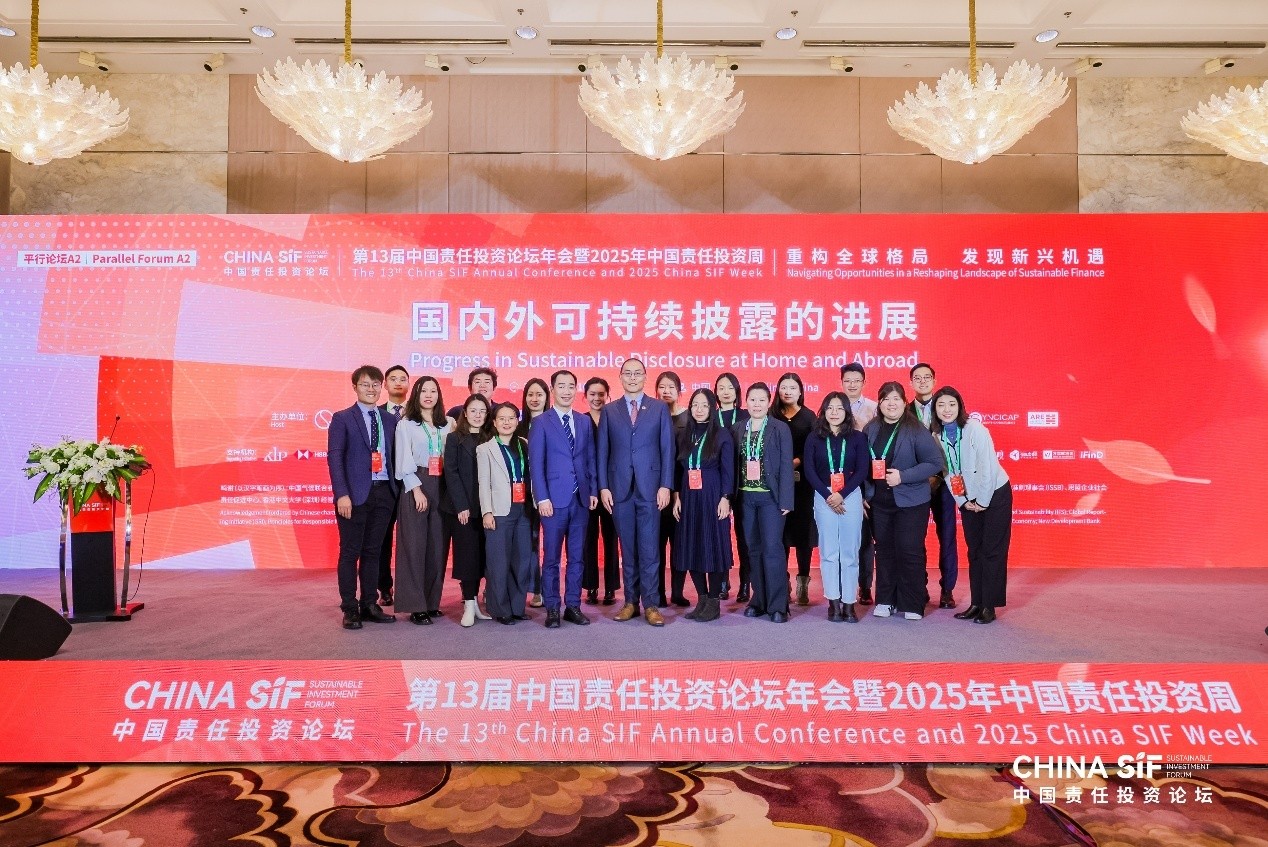
The Parallel Forum on “Progress in Sustainable Disclosure at Home and Abroad” was hosted by
Selina XU, Member of China SIF Board of Directors.
 Harold PAUWELS, Director of Standards at Global Reporting Initiative (GRI)
 stated that, GRI continues to serve as the basis for domestic and global sustainability impact reporting. In July, GRI updated its GRI 102: Climate Change and GRI 103: Energy Standards, strengthening disclosure requirements on climate governance, transition strategies, and value chain emissions, and further aligning with the ISSB's climate-related disclosure mandates. GRI remains committed to supporting Chinese regulators and companies in implementing high-quality sustainability reporting.
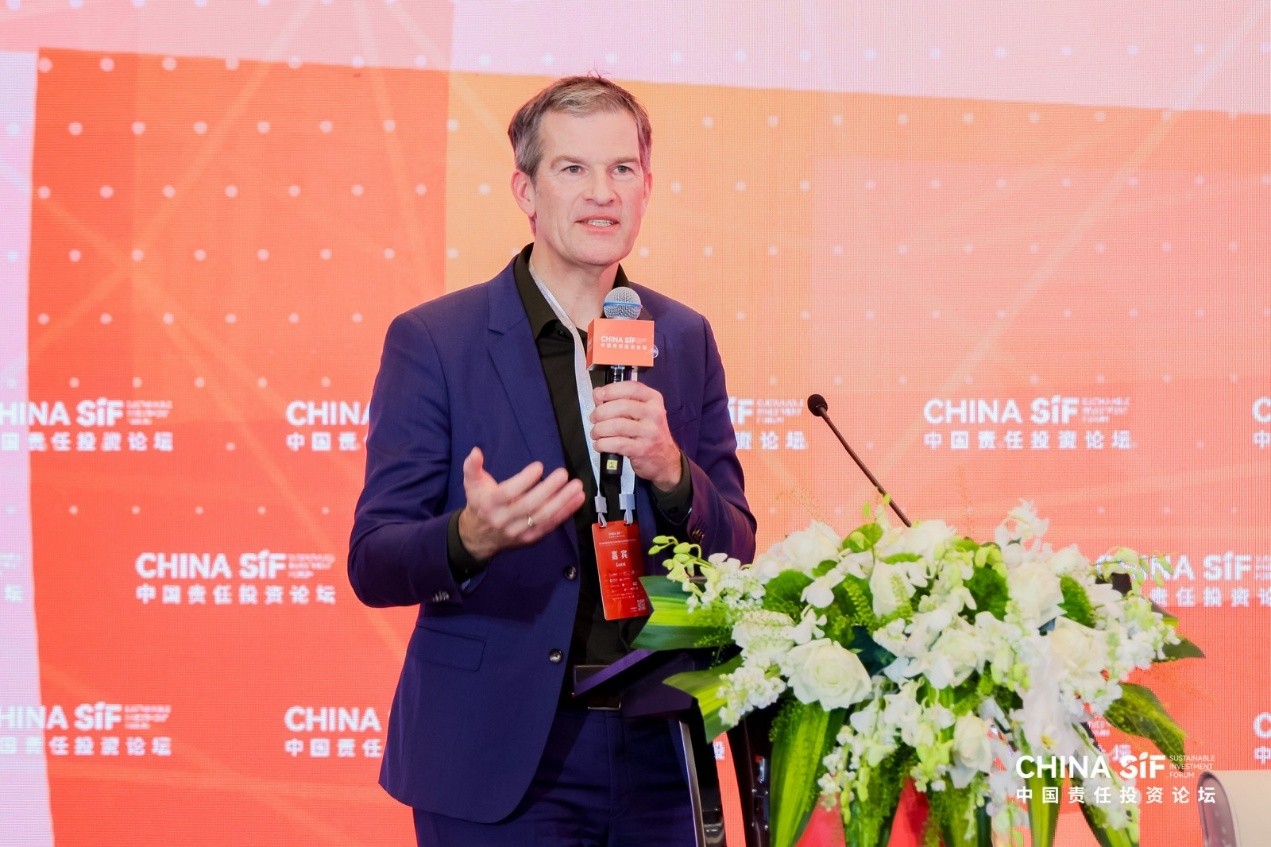 President of the Board at Partnership for Carbon Accounting Financials (PCAF) and Chief Sustainability Officer at the Amalgamated Bank, Ivan FRISHBERG
 pointed out in his remark that PCAF has observed China’s leadership and progress in climate action through the update of its Green Finance Catalogue and the ongoing development of financed emissions accounting. PCAF is proud to support these efforts through our financed emissions standard. With our new office in Hong Kong and plans to open another in Mainland China, PCAF is committed to deepening our engagement with China and the Asia-Pacific region and to supporting continued leadership in climate and sustainable finance.
 Dr. LIU Yanfeng, Director of Corporate Governance at China Association for Public Companies (CAPCO)
 introduced the 2025 sustainability information disclosure situation of listed companies as well as related case practices. She shared the achievements, highlights, and challenges that listed companies have encountered in their sustainability work.
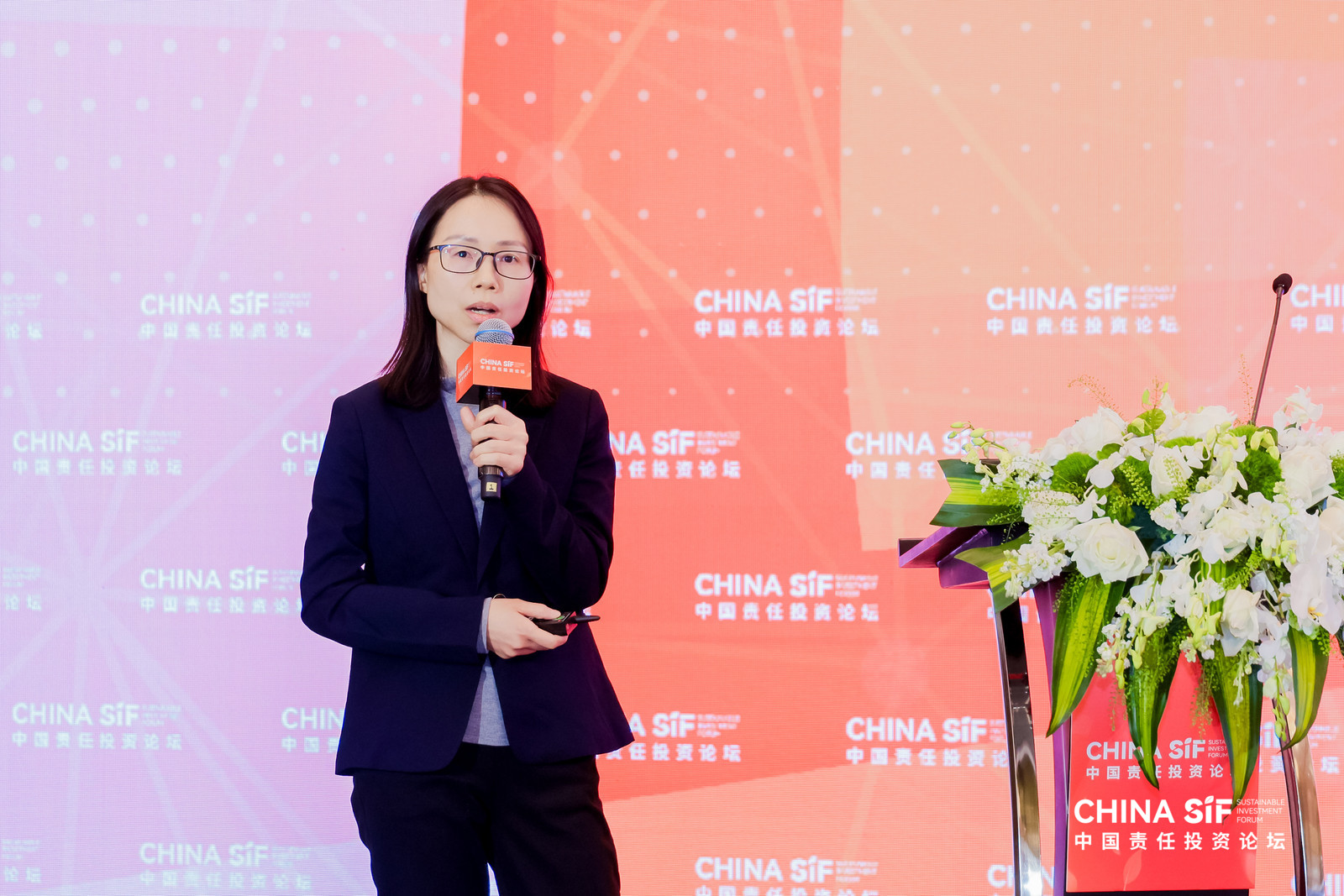
During the Panel Discussion,
Tim CHAN, Head of Sustainability Research, Asia Pacific, Morgan Stanley; Gayle CHAN, Senior Sustainability Analyst, Vontobel Asset Management; Amy SONG, Chief Sustainability Officer, GCL Group; TIAN Xingguo, Manager of ESG and Sustainable Development, Tianqi Lithium Corporation; and Nana LI, Head of Sustainability & Stewardship, Asia-Pacific, Impax Asset Management shared—from both investor and corporate perspectives—the progress, strengths, and potential challenges faced by Chinese companies in ESG information disclosure. They also discussed how companies can respond to increasingly stringent sustainability disclosure requirements both domestically and internationally.
The Parallel Forum on “Agriculture Sustainable Development and Nature Finance” was moderated by
Johnson ZHANG, Partner at SynTao Consulting.

The
World Resources Institute (WRI) Beijing representative office noted in their remarks that discussions around “natural capital” have shifted from being treated as an “externality” to becoming a core factor influencing the cost of capital. COP30 emphasized the central role of “nature-based solutions (NbS)” in global climate action, while domestic policies have repeatedly called for strengthening both positive incentives and restrictive measures, and for establishing and improving support schemes that facilitate project implementation. In the agricultural supply-chain field, carbon sinks have already connected the full chain of “measurement–verification–trading–offsetting,” and the quantification of biodiversity risks and value has laid the foundation and basis for the monetization of “natural capital.” How natural factors affect the risk weighting of financial products and the generation of revenue instruments is a question that will require practical experience to answer. Future topics will include how financial instruments can reflect and quantify “nature” value, how China and Brazil can jointly build MRV standards in their shared supply chains, and how to address the challenges of complexity and scale.
In his remarks,
WANG Xin, CEO of SynTao Consulting, noted that China and Brazil, both major players in global agriculture, have long-standing structural complementarity in their supply chains. Over the years, deep agricultural-trade cooperation between the two countries has supported livelihoods on both sides and has been a crucial pillar of global food security. However, challenges such as extreme weather caused by climate change, insufficient incentives for industrial sustainability, and differences in standards are putting new pressure on this cooperation and driving a shift from traditional bulk-commodity trade toward higher-quality, sustainable supply chains. The purpose of the China SIF, he said, is to use multi-stakeholder dialogue to build a cooperation bridge linking China and Brazil, connecting industry and capital, and exploring practical pathways for green finance to support sustainable agricultural supply chains.
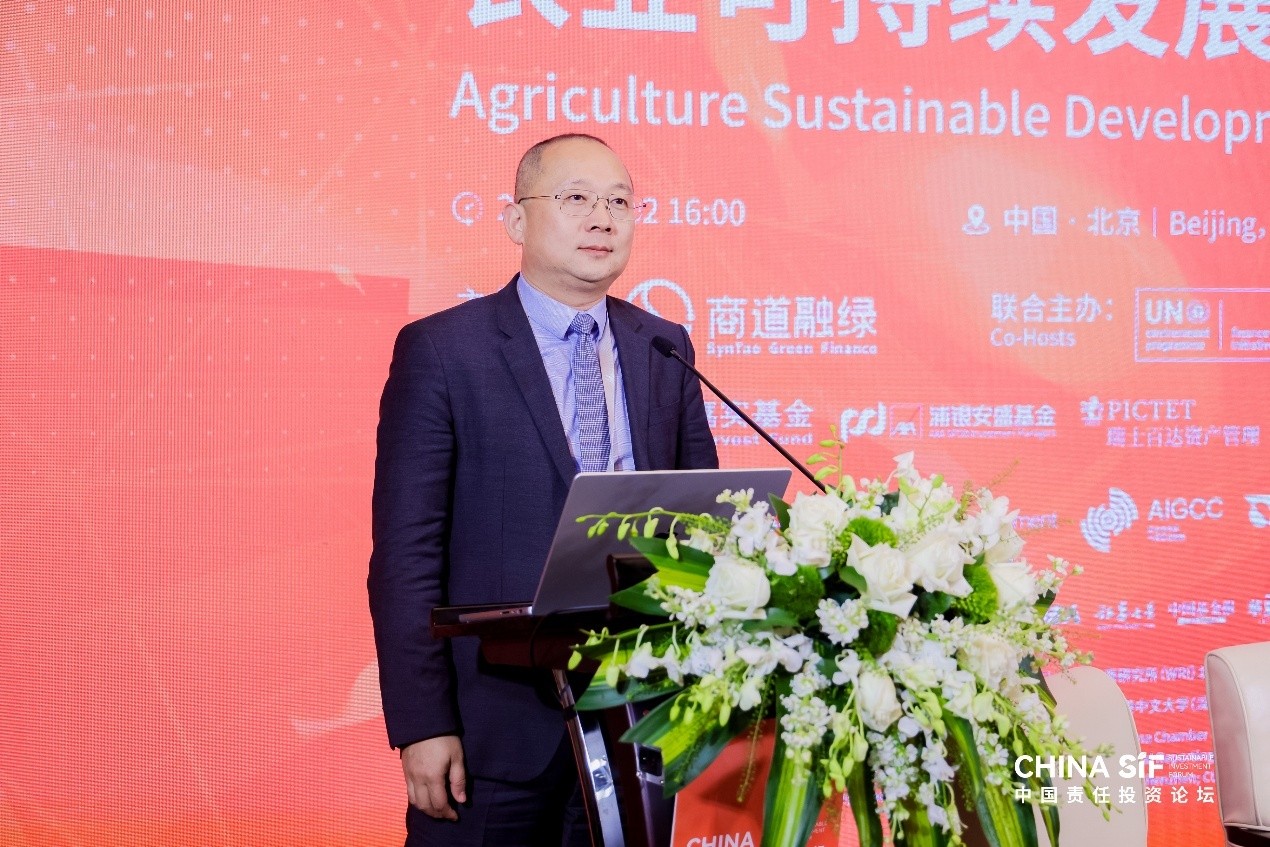
In his keynote speech,
Marcus WILERT, Interim Director of Investor Outreach at the FAIRR Initiative, shared FAIRR’s research on nature-related risks, including water risk and deforestation risks associated with soy, and explained how FAIRR supports investors in engaging Chinese listed companies on nature-risk topics.
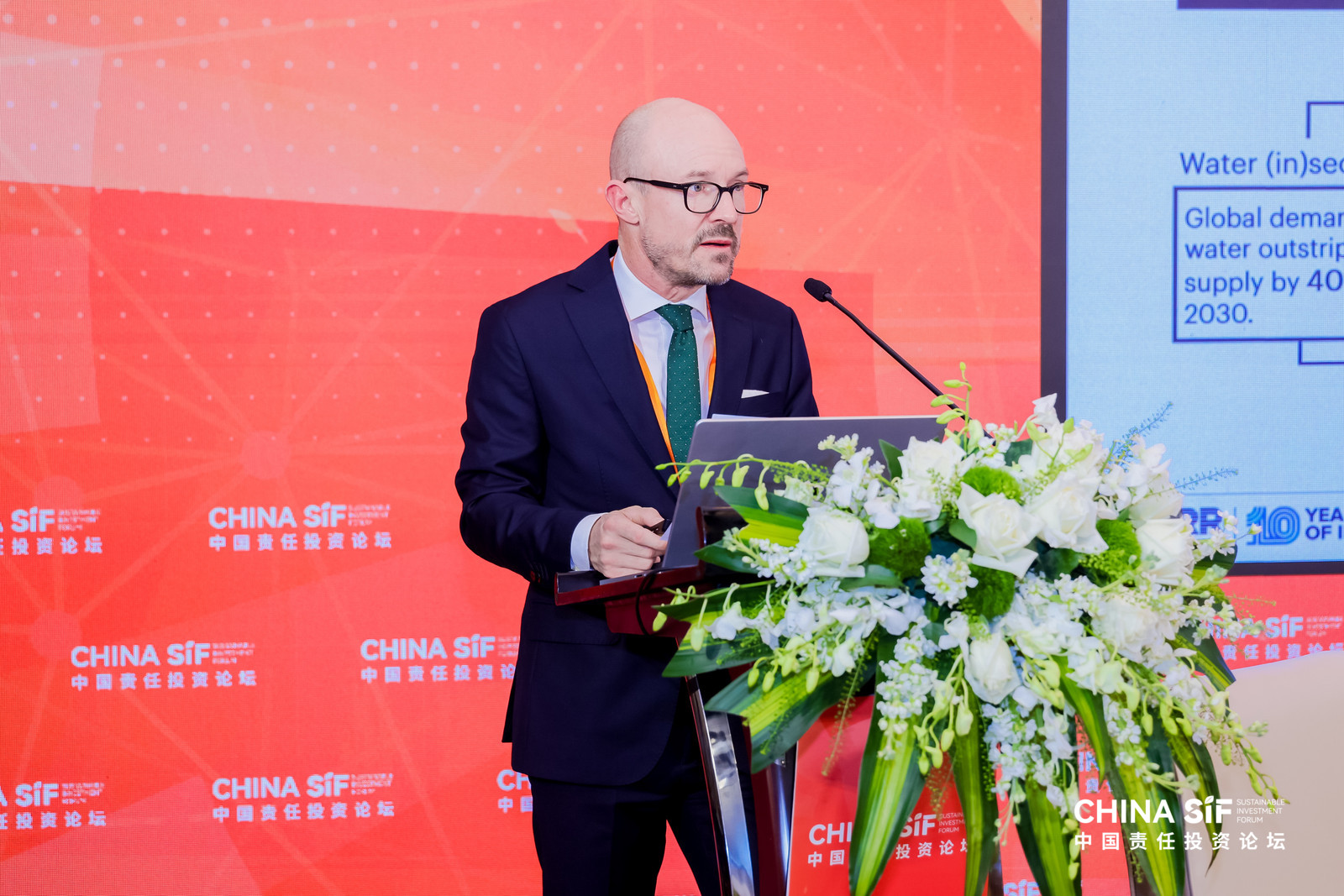 Kenny TSANG, Associate Director of EOS at Federated Hermes,
 stated that China and Brazil are both major agricultural countries, and their present and future cooperation has already gone beyond traditional trade. The two sides are jointly seizing key opportunities to build a healthy global sustainable food system. The current partnership lays a foundation for deeper integration of nature-finance solutions, which can not only accelerate the implementation of green-finance strategies in both countries but also further strengthen their leadership in global environmental governance.
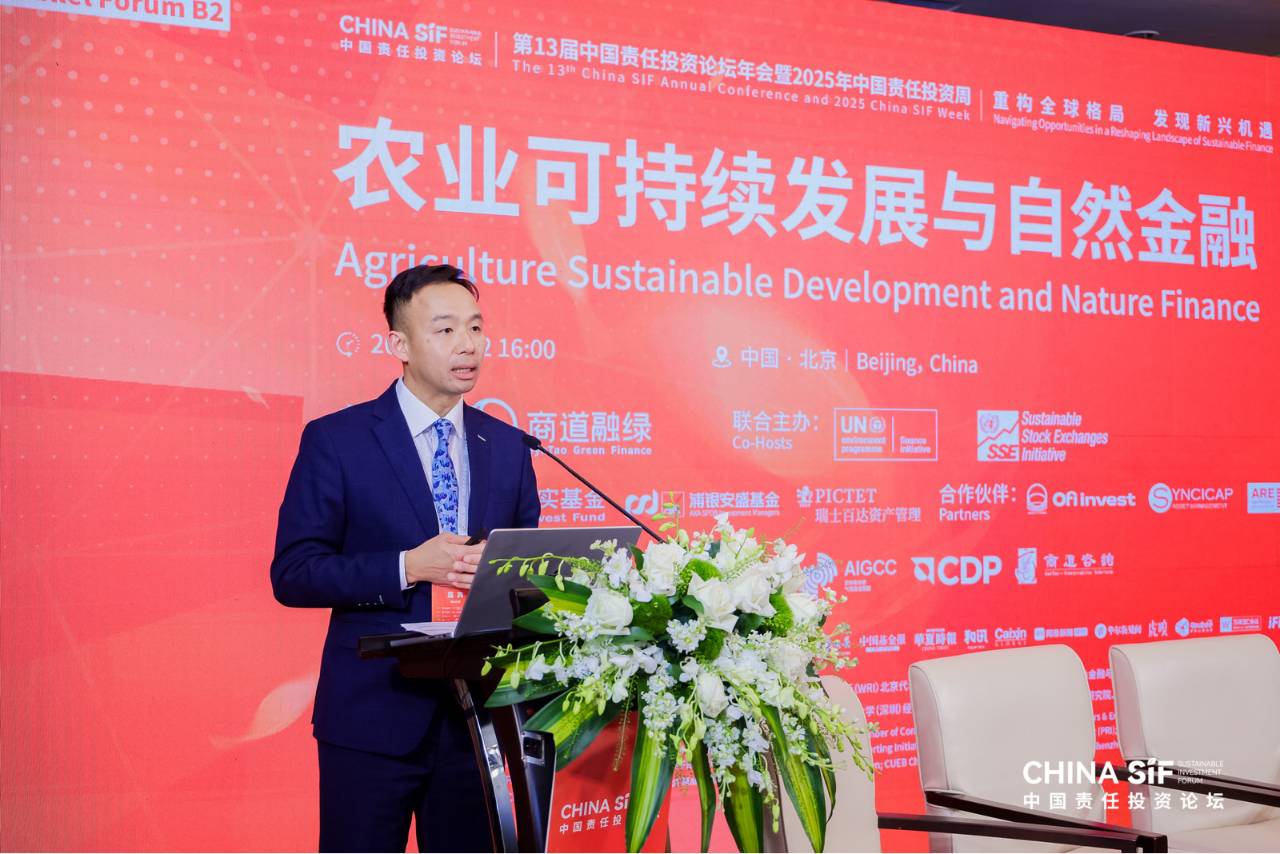 ZHANG Hongfu, Partner at SynTao Consulting,
 emphasized in his keynote speech that China and Brazil are agricultural-trade partners and also face shared challenges related to climate and biodiversity. China has a huge consumer market and financing market, while agricultural emissions account for more than 30% of Brazil’s total carbon emissions. These factors show that China and Brazil have broad development potential in using green finance to promote sustainable agricultural supply chains. However, when Chinese financial institutions and enterprises bring green-finance tools and products to Brazil, they must take local situation into consideration, carefully identify and assess the substantive needs of local partners, and avoid imposing one-sided assumptions that could lead to “mismatch” and affect investment performance.
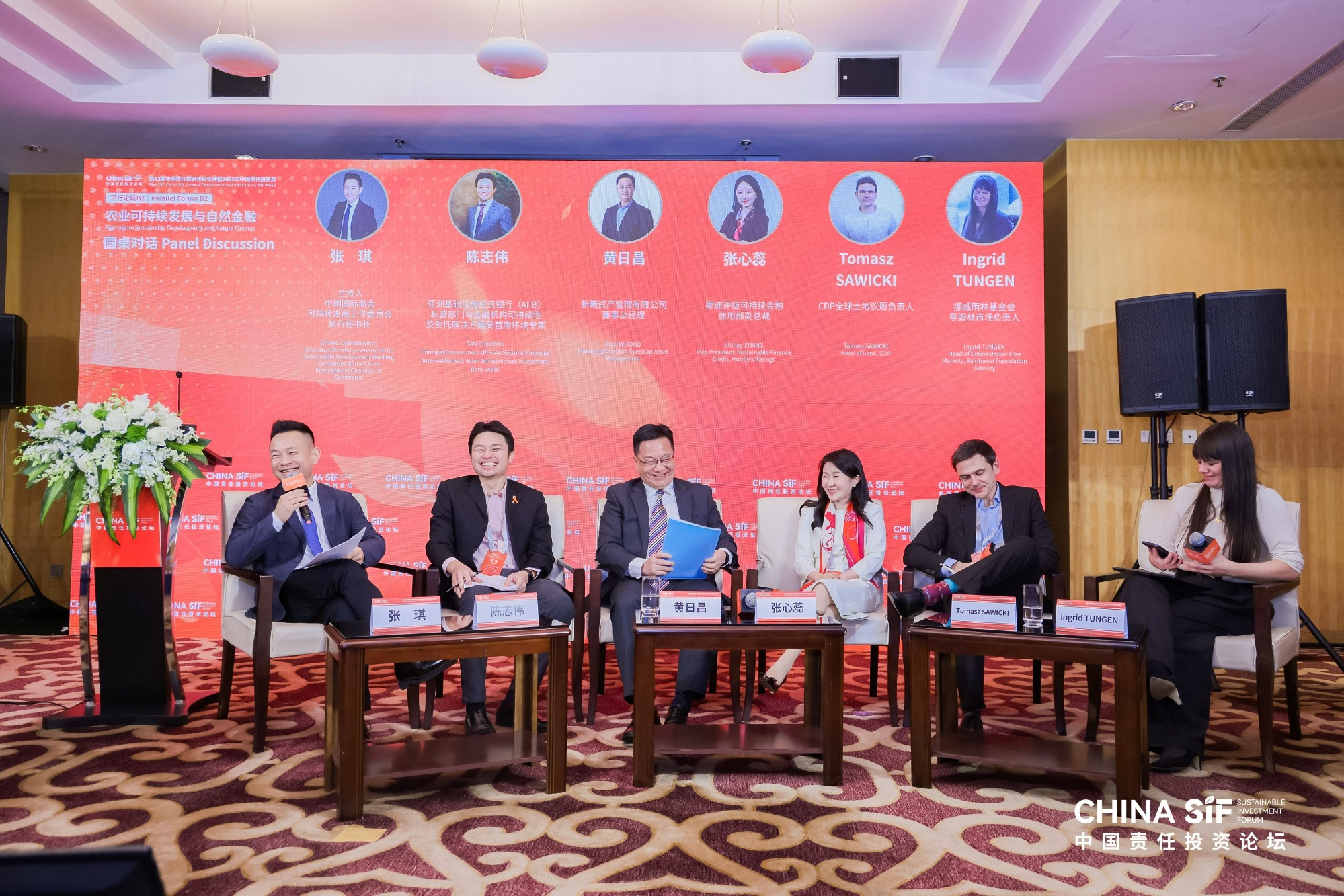
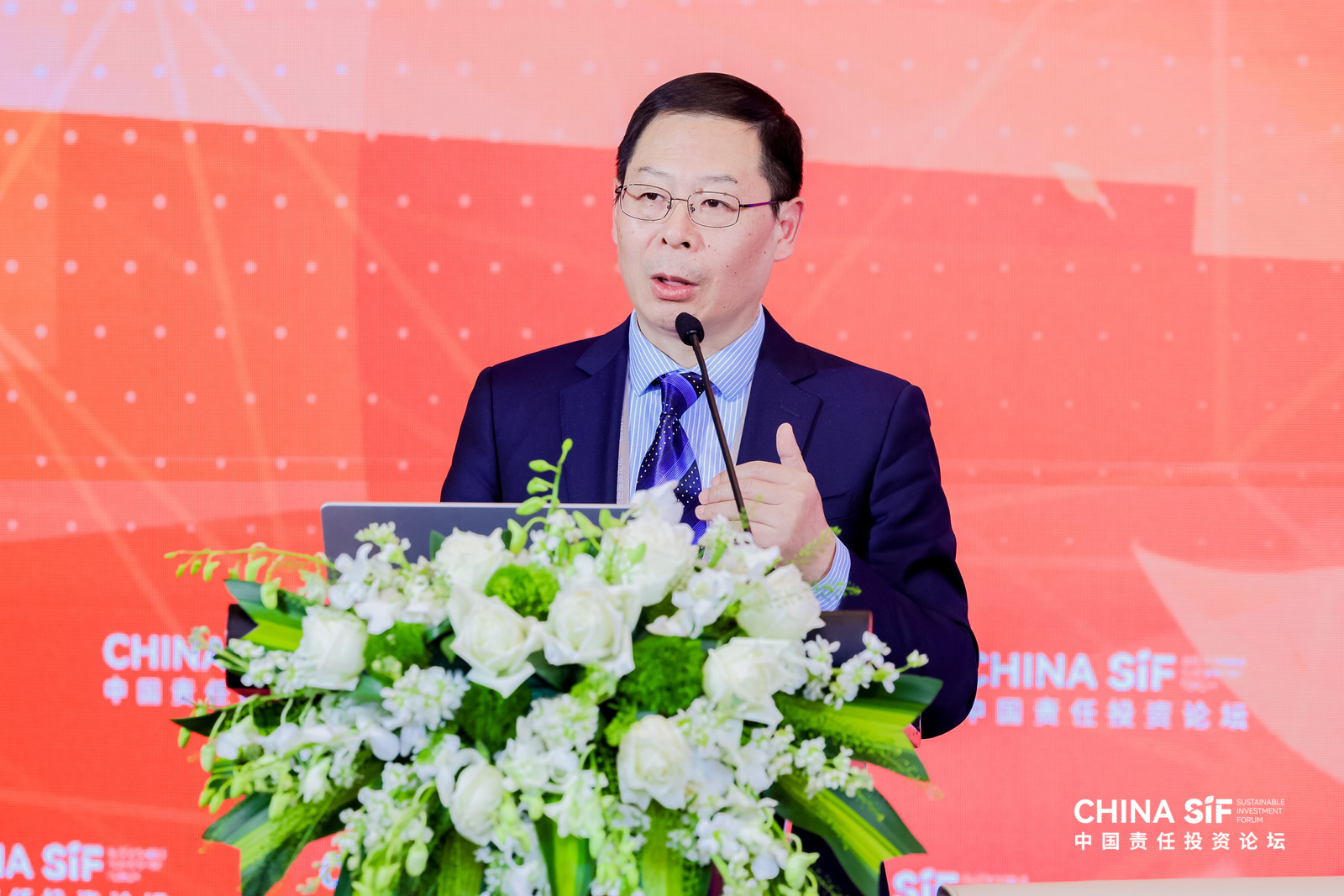 ZHANG Qi, Executive Secretary-General of the Sustainable Development Working Committee of the China International Chamber of Commerce
, chaired the Panel Discussion.
TAN Chee Wee, Principal Environment (Private Sector & Financial Intermediaries), Asian Infrastructure Investment Bank (AIIB); Rizal WIJONO, Managing Director, Syncicap Asset Management; Shirley ZHANG, Vice President, Sustainable Finance Credit, Moody's Ratings; Tomasz SAWICKI, Head of Land, CDP; and Ingrid TUNGEN, Head of Deforestation Free Markets, Rainforest Foundation Norway discussed how multi-party collaboration can drive the construction of sustainable agricultural supply chains. Topics included current focal points and strategies for tackling bottlenecks, innovation and application of green-finance tools, and cross-border standards.
Tomasz SAWICKI highlighted that CDP continuously aligned with leading global disclosure framework and standards, aiming to leverage environmental information disclosure to support innovative finance in driving the transition to a nature-positive economy and enabling companies to manage nature-related risks more comprehensively.
The strategic partners of this year’s Annual Conference are Harvest Fund, AXA SPDB Investment Managers, and Pictet Asset Management. The partners are Ofi Invest Asset Management, Syncicap Asset Management, and Asia Research & Engagement (ARE). The event also received strong support from KLP Asset Management AS, HSBC Asset Management, Asia Investor Group on Climate Change (AIGCC), CDP, and SynTao Consulting.
Media partners of this year’s Annual Conference include Shanghai Securities News, Cnstock.com, Sina Finance, The Economic Observer, Caijing Magazine, Faren Magazine, Stockstar, China Fund News, China Times, Hexun.com, Caixin Global, NetEase Finance, WallstreetCN, Huxiu, qeubee LIVE, Wind 3C Conference, and iFinD. Special thanks go to the China Climate Engagement Initiative (CCEI), China Chamber of Commerce of Metals, Minerals & Chemicals Importers & Exporters (CCCMC), World Resources Institute (WRI) Beijing Representative Office, Sustainable Banking and Finance Network (SBFN), Institute of Finance and Sustainability (IFS), Global Reporting Initiative (GRI), Principles for Responsible Investment (PRI), Bank of Jiangsu, Yuze Cixin, International Sustainability Standards Board (ISSB), CCM CSR Promotion Center, CUHK-Shenzhen School of Economics and Management, Meijin Energy, Capital University of Economics and Business China ESG Research Institute, Shenzhen Finance Institute, Shenzhen Institute of Data Economy, New Development Bank, etc. for their contributions to the successful organisation of the 13th China SIF Annual Conference and the 2025 China SIF Week.
Live streaming of the Annual Conference in Chinese is available on the “SIFSustainable Investment Forum” “SynTao Green Finance” “Guo Peiyuan Talks ESG” “SynTaoXiaoSynTalks” “Huaxia ESG Obeserver” video channels, and on platforms such as The Economic Observer Jingguan App, Sina Finance, Sumscope qeubee LIVE, Wind 3C Conference, and the iFinD Terminal. In addition to the Annual Conference, the 2025 China SIF Week also worked with nearly 50 organisations to host 11 Side Events, covering an ESG media training focused on COP30, a transition finance and methane reduction seminar, the UNEP FI China workshop on biodiversity finance and environmental and social risk management, the CCEI Annual Conference, the Mining 2030 Luncheon, the PRI China Nature Forum, the GRI Climate Standards Workshop, the Sustainable Stock Exchanges Roundtable, an ESG Academic Seminar, the CCEI Corporate Visits, and the Corporate Social Responsibility and Impact Investment Seminar. You are welcome to subscribe to SynTao Green Finance “Online Classroom” to watch the recordings of the 2025 China SIF Week events.
Welcome to follow the China SIF WeChat account “SIF Sustainable Investment Forum” (China SIF), as well as the host organisation SynTao Green Finance’s WeChat account (syntaogf).
For inquiries regarding China SIF cooperation and resource requests, please contact the host organisation at: contact@syntaogf.com.
About the China Sustainable Investment Forum
The China Sustainable Investment Forum (China SIF) was launched in 2012 in Beijing and formally registered in 2016 in Shenzhen as a non-profit private organisation under the full name Shenzhen Jifeng Green Finance Promotion Center. China SIF is an international exchange platform focused on responsible investment and sustainable development, dedicated to promoting responsible investment and ESG (environmental, social and governance) concepts, advancing green finance, and supporting the sustainable development of China’s capital markets.
As a member of the Global SIFs Network, China SIF has, since its establishment, organized annual conferences, summer conferences, China SIF Week, and a series of thematic seminars and exchange events. It invites domestic and international experts, researchers, practitioners in responsible investment, financial institutions, and listed companies to share research findings, practical experience, and case studies, exploring and advocating responsible investment and green finance in various forms.
China SIF has published a series of flagship reports and research results, such as the China Sustainable Investment Review, and has continuously supported the ESG Thesis Competition. Together with partners and many industry experts, it has developed the “Online Classroom” video course series to promote ESG investment concepts and practices. After years of development, China SIF has become a signature event platform in this field.
For more information, please visit the China SIF official website: https://chinasif.org/